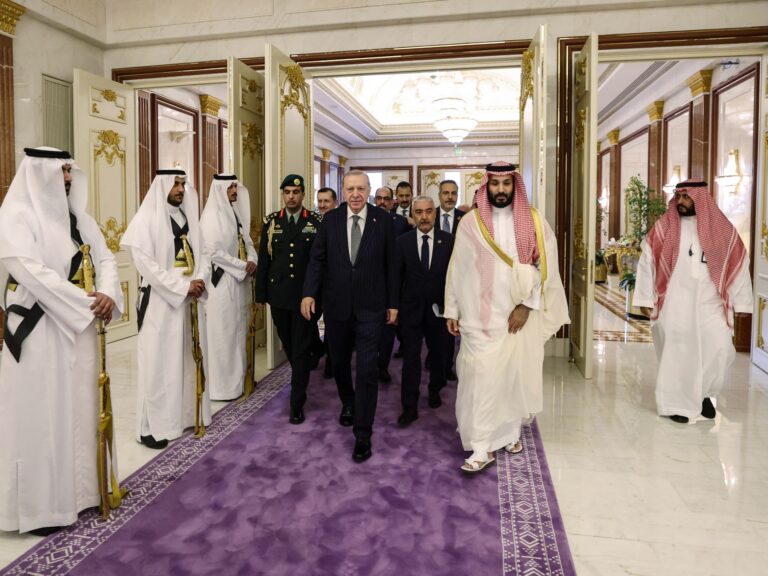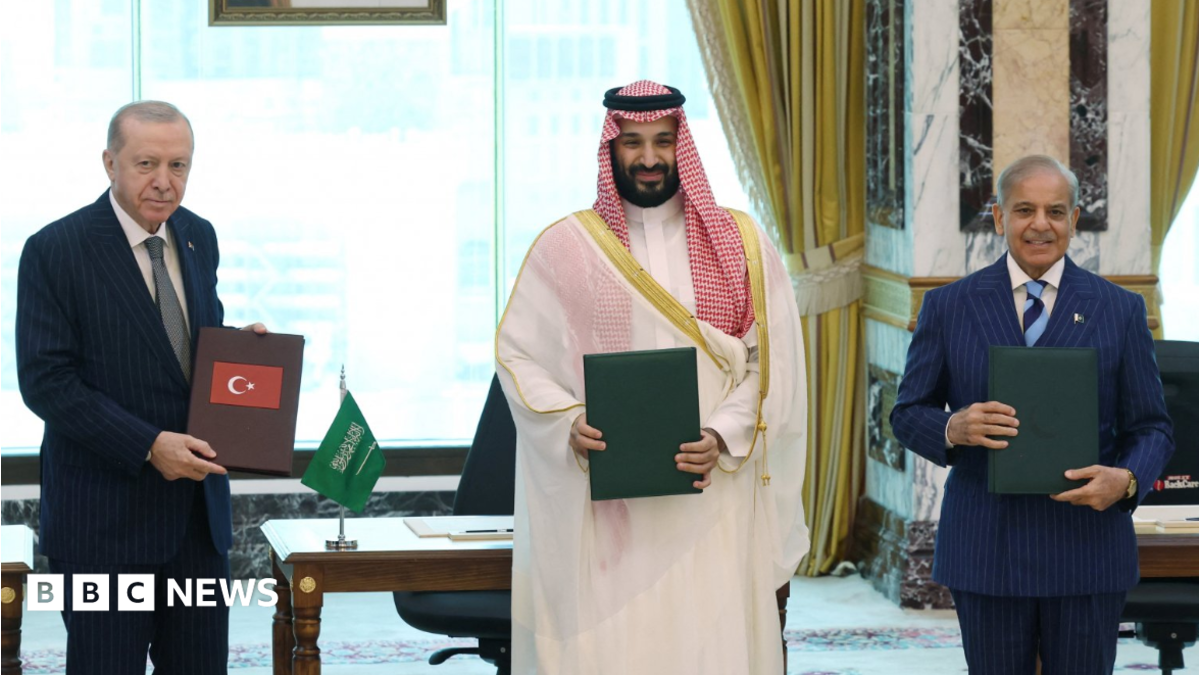
Three major Muslim-majority nations have formalized a collective security arrangement in the Saudi city of Mecca. The agreement, signed by Saudi Arabia’s Crown Prince Mohammed bin Salman, Turkey’s President Recep Tayyip Erdogan, and Pakistan’s Prime Minister Shehbaz Sharif, establishes mutual defence commitments among the signatories. Under the terms of the pact, any armed aggression targeting one nation would be treated as an assault against all three parties involved.
The timing of this alliance reflects heightened regional tensions. Recent months have witnessed escalating conflicts in the Middle East, including attacks on Iranian targets and subsequent strikes on Gulf states. Saudi Arabia has faced particular pressure from Yemen-based Houthi rebels conducting operations against its infrastructure, while Pakistan has experienced renewed tensions with India. The agreement aims to strengthen collective deterrence and enhance defence cooperation across multiple domains.
Each nation brings distinct advantages to the partnership. For Saudi Arabia, the pact provides additional security assurances in an unstable regional environment. Pakistan benefits from aligning with economically powerful and militarily capable allies during a period of increased diplomatic prominence. Turkey gains potential opportunities for its defence sector through collaborative initiatives with its partners.
Iran has publicly criticized the arrangement, with a senior parliamentary official dismissing it as ineffective. Analysts note that while the agreement establishes deterrent value through collective backing, the specific obligations and circumstances requiring mutual support remain ambiguous and would demand careful diplomatic navigation if activated.
About the Author