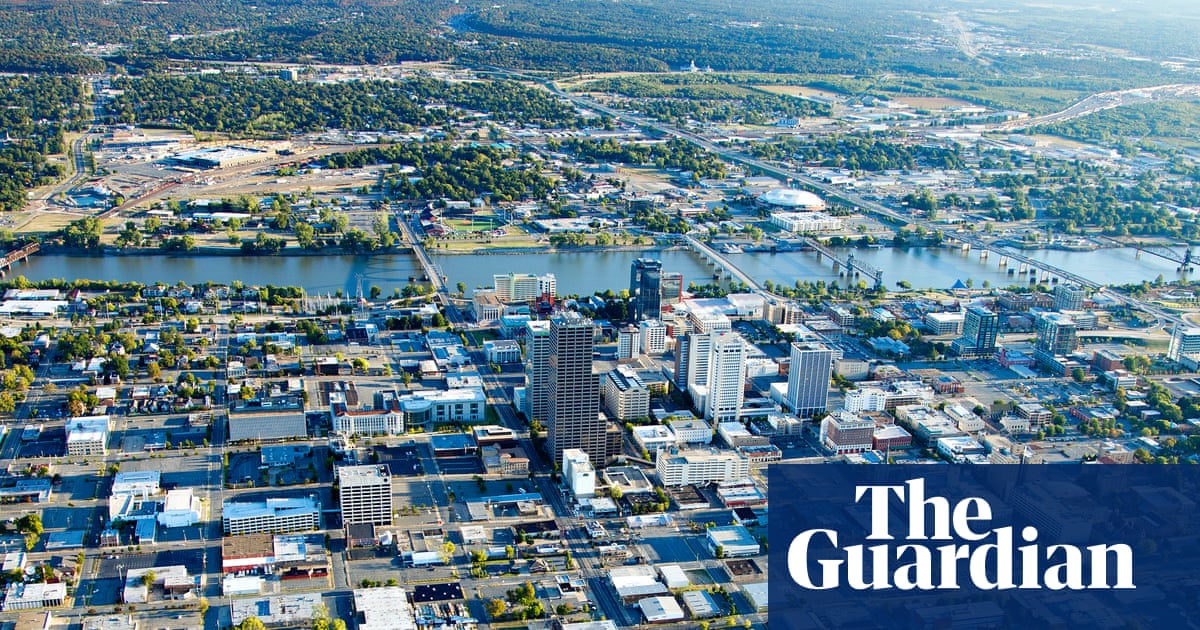
Little Rock, Arkansas is bracing for significant community resistance following the announcement of two major datacenter projects in and around the city. Google has proposed a $1 billion facility spanning 1.43 million square feet at the Port of Little Rock, while a separate $6 billion project by Avaio would be built in a rural, marshy forest area roughly 10 miles south of the city in unincorporated Pulaski County.
Opposition to these developments has emerged from unexpected political corners, with both progressive and conservative voices expressing concerns. Mayor Frank Scott Jr. noted that critics approach the issue from different ideological perspectives but share unified opposition. Primary worries center on resource consumption, particularly regarding local water and electricity supplies, as well as concerns that the projects will appropriate rural, Black-owned land for industrial purposes without providing corresponding community benefits.
Arkansas presents a unique challenge for opponents seeking to block the developments. Three years ago, the state legislature passed legislation preventing local municipalities from banning datacenters outright, though the inclusion of datacenters in the law appears to have been incidental to original concerns about cryptocurrency mining operations. State representative David Whitaker indicated the datacenter language was added during the legislative drafting process almost accidentally, though some suggest its inclusion was intentional given current circumstances.
The region’s appeal to major tech companies stems from low electricity costs—between 5 and 7 cents per kilowatt-hour compared to the national average of 8.71 cents—and affordable land, making the South and Midwest attractive locations for three-quarters of planned datacenter projects nationally.
Originally reported by Theguardian →
About the Author