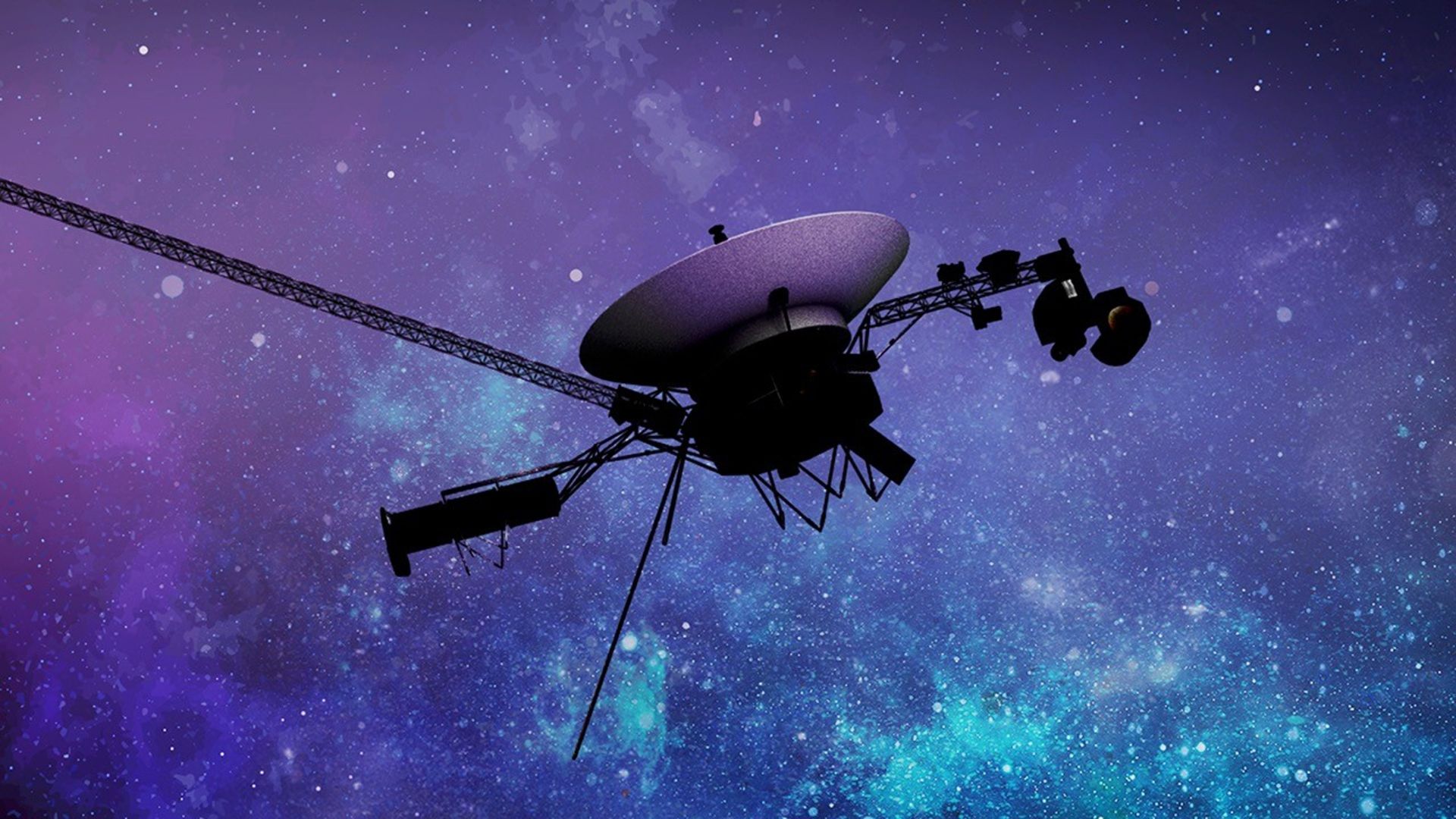
NASA has successfully extended the operational lifespan of Voyager 2 by implementing an innovative power-management technique called the “Big Bang” maneuver. The procedure, which was tested in May and June, involves strategically deactivating high-energy instruments while activating lower-power alternatives to conserve energy while maintaining adequate spacecraft temperature in the harsh environment of interstellar space. The achievement grants Voyager 2 an additional year of scientific operations.
Both Voyager probes, launched in 1977, depend on plutonium-based power systems that naturally decay at approximately four watts annually. Voyager 2 now operates 143 astronomical units from Earth, while its twin, Voyager 1, travels even farther at 171 units away. Without intervention, Voyager 2 would have been forced to shut down one of its three remaining functional science instruments before year’s end. Voyager 1 faces more severe constraints, with only two of its original ten science instruments still operational following power-reduction decisions made in April.
Mission planners deliberately applied the Big Bang procedure to Voyager 2 first due to its superior condition and closer proximity to Earth compared to Voyager 1. NASA officials announced that Voyager 1 will undergo the same power-saving maneuver within months. Both spacecraft continue gathering crucial data about the region beyond the sun’s sphere of influence, territory that no other functional spacecraft currently explores. Both missions approach their fiftieth anniversaries in 2027.
Originally reported by Livescience →
About the Author