As Ice Melts, Antarctica Is Leaking Mercury Into The Ocean
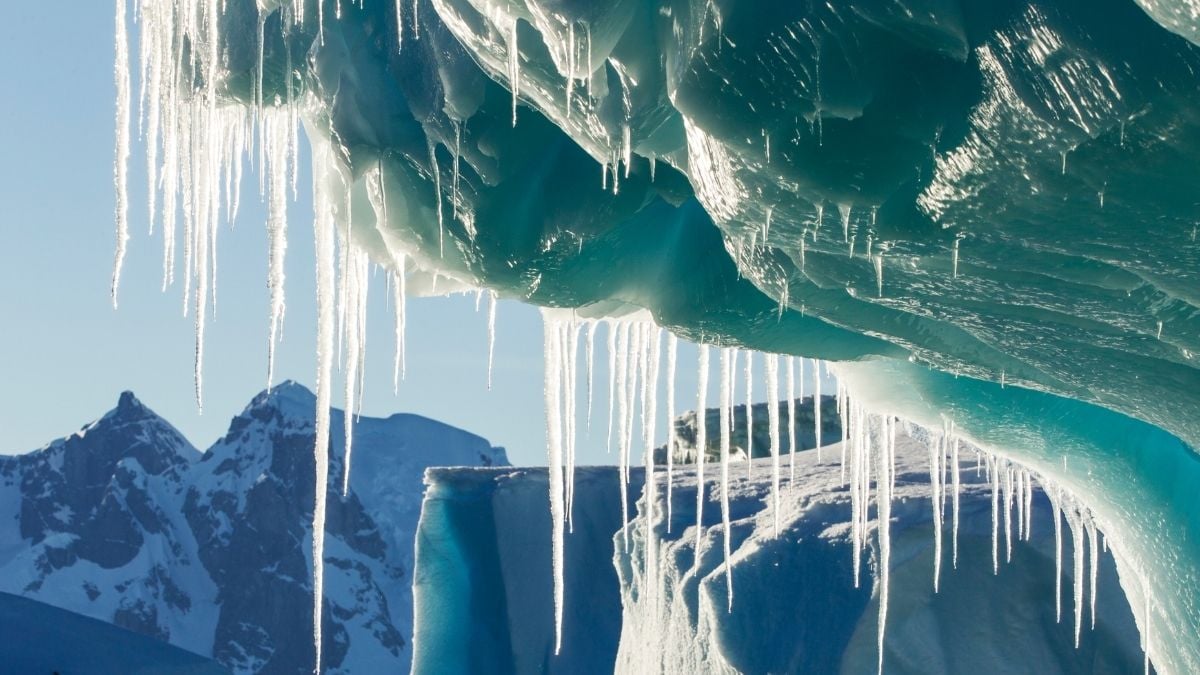 More than just melting ice.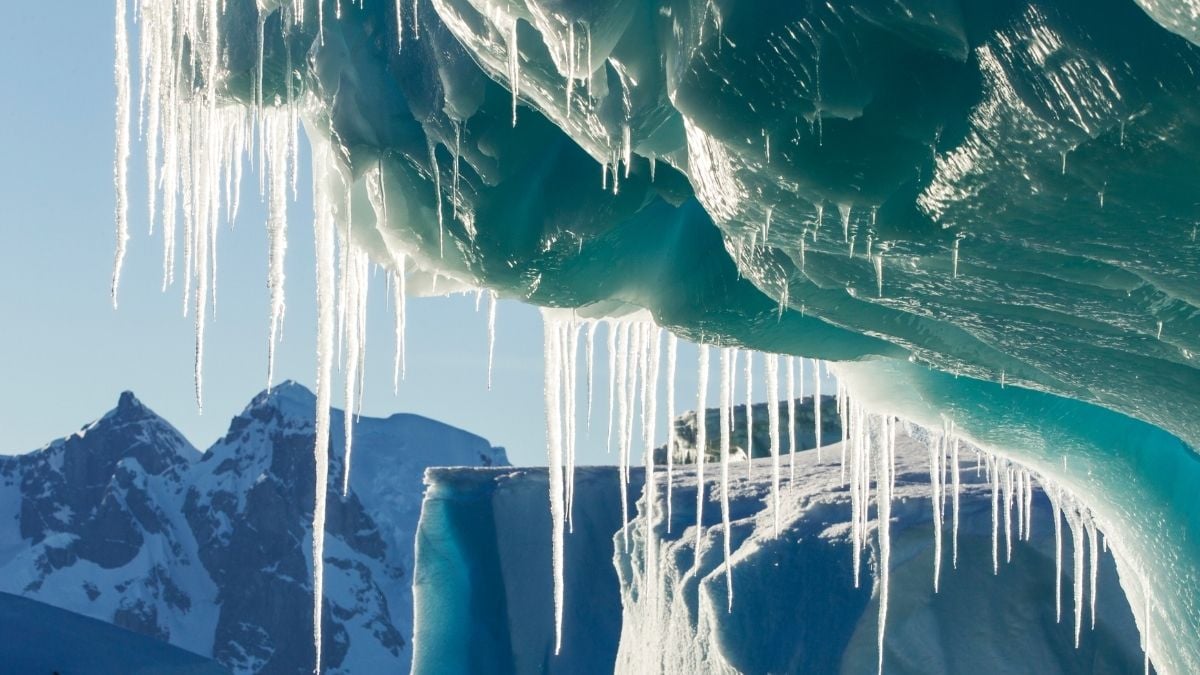
“`html
Antarctica’s melting ice is releasing significant quantities of mercury into the ocean, creating an environmental concern that extends far beyond the frozen continent. Research from Peking University, published in the Proceedings of the National Academy of Sciences, reveals that the Antarctic Peninsula accumulates mercury at twice the global average rate for continental shelves, with accumulation increasing by 160 percent since industrialization began in the mid-1800s.
The mercury contamination stems from two interconnected pathways. Industrial activities such as fossil fuel burning and mining release mercury into the atmosphere, where it travels vast distances before settling in Antarctic ice. Simultaneously, these same activities produce greenhouse gases that accelerate ice melt. As the ice thaws, it releases mercury that had been locked away for centuries, activating what researchers term the “atmosphere-glacier-land-ocean loop.” This combination has increased ice melt-driven mercury release by 550 percent and air-sea exchange by 350 percent in recent decades.
The situation poses particular risks to marine ecosystems and food chains. Bacteria in Antarctic waters can convert mercury into methylmercury, a potent neurotoxin that accumulates in fish and other marine organisms. Recent observations have documented mercury levels in Antarctic species exceeding previous records and food safety limits. Mercury export from the Antarctic Peninsula into open ocean currents has surged by 400 percent, suggesting contamination could spread globally and threaten distant fisheries and ecosystems.
“`
Originally reported by Sciencealert →
About the Author