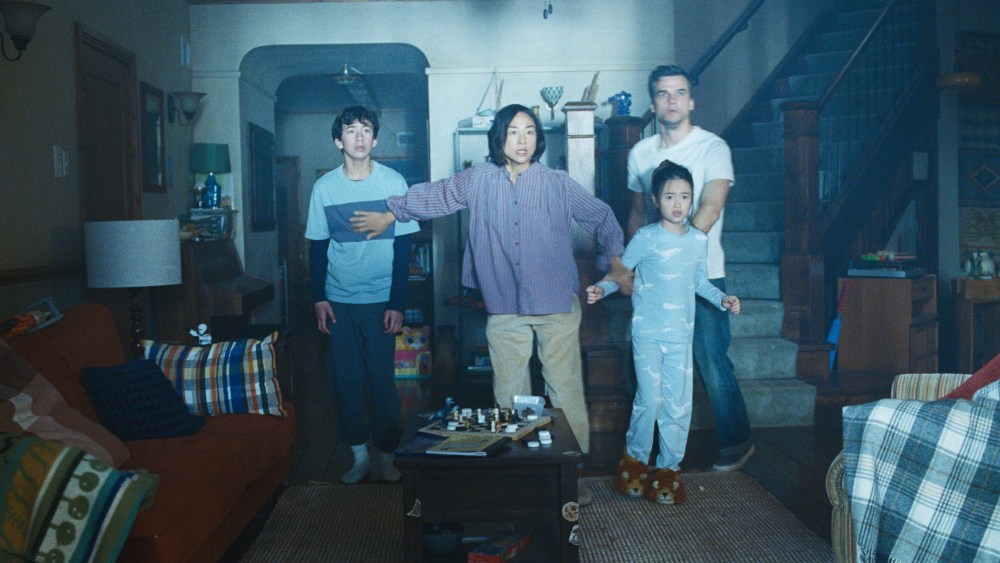
Netflix’s latest apocalyptic thriller “The Last House” presents a chilling premise that resonates particularly well in the post-pandemic era. Directed by Louis Leterrier, the film follows a middle-class Seattle family who discover themselves mysteriously sealed inside their home with no possibility of escape. What might have seemed far-fetched a decade ago now feels disturbingly plausible, as the enforced confinement taps into lockdown experiences still fresh in viewers’ minds.
At the heart of the film lies a domestic drama that grounds the high-concept scenario. Wagner Moura and Greta Lee deliver compelling performances as parents struggling to maintain authority while their world literally shrinks around them. The family’s journey from initial resilience—rationing food and organizing movie nights—to desperation as weeks turn to months provides genuine emotional weight. The house itself becomes a character, meticulously designed and constantly evolving as the family’s entire existence narrows to its confines.
While the film succeeds as a tense, atmospheric experience for audiences grappling with environmental anxiety, it raises questions about deeper meaning. Screenwriter Matthew Robinson touches on themes of climate change and community, yet these ideas remain largely unexplored, settling instead for vague platitudes. The mystery surrounding the cause of their imprisonment remains intentionally obscure, and when explanations do emerge, they strain credibility.
Ultimately, “The Last House” delivers an engaging, claustrophobic thriller that capitalizes on collective unease, even if it doesn’t offer substantial thematic resonance beyond its unsettling premise.
Originally reported by Variety →
About the Author