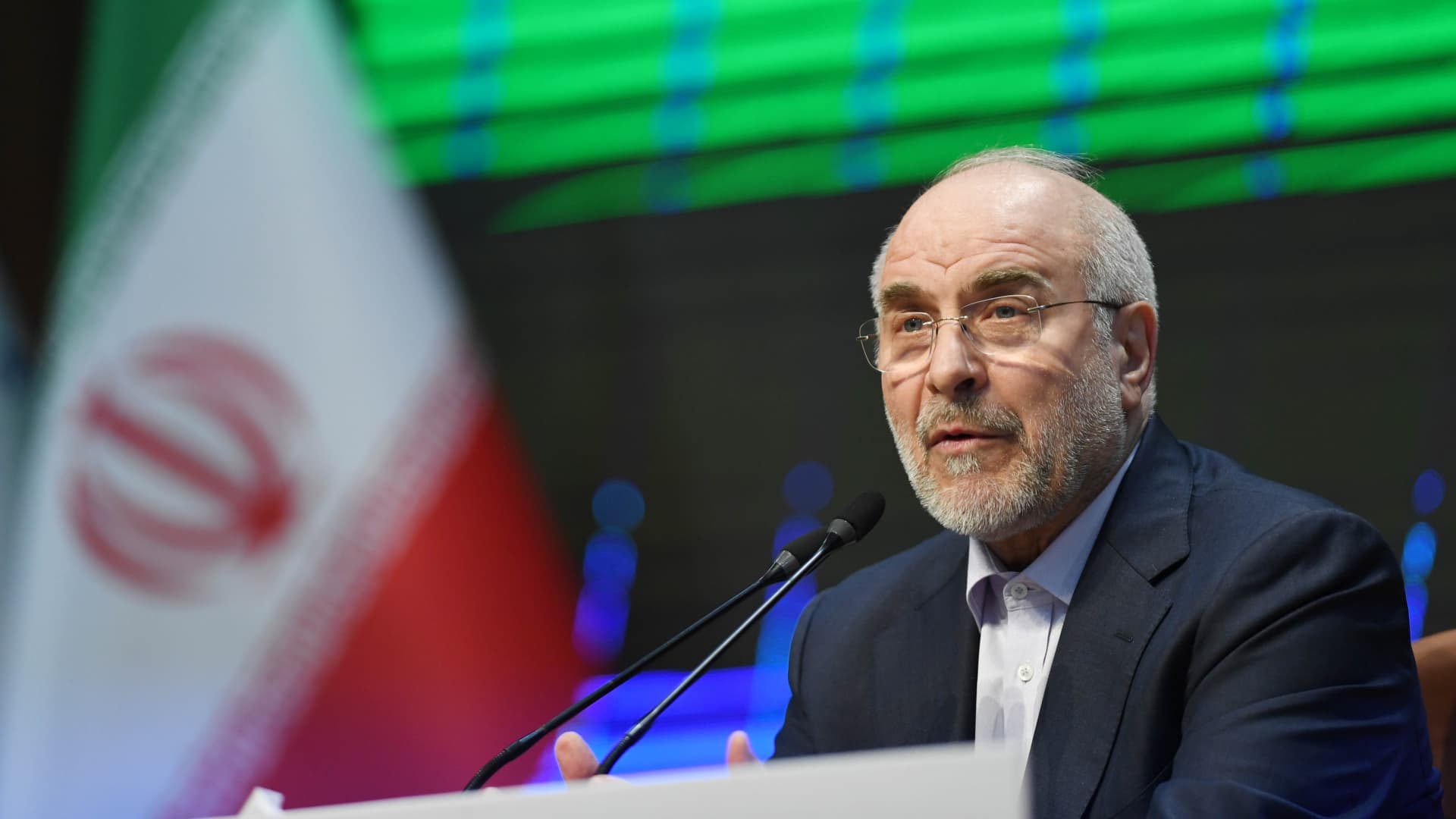
Iran’s chief negotiator has criticized U.S. President Donald Trump’s diplomatic approach, characterizing recent negotiations as performative rather than substantive. Mohammad Bagher Ghalibaf, serving as both parliament speaker and lead negotiator, voiced skepticism about Trump’s claims that a deal framework already exists between the two nations. Iranian officials have firmly denied that any formal talks are currently taking place, creating a stark disagreement over the status of efforts to resolve months of escalating tensions.
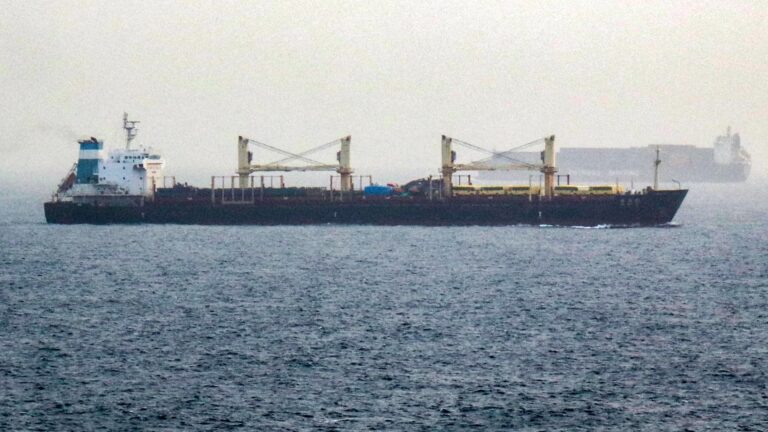
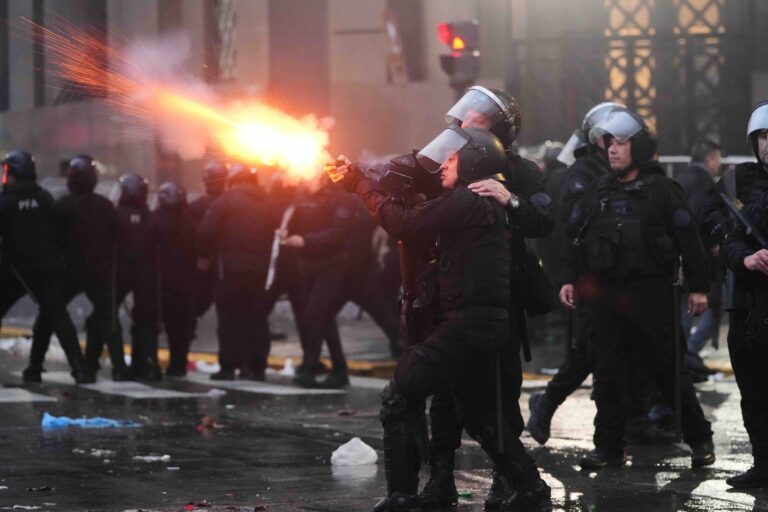
The regional situation has deteriorated significantly, with multiple flashpoints emerging across the Persian Gulf. Saudi Arabia has reportedly received intelligence warnings of imminent coordinated attacks from Iraqi militia groups aligned with Iran-backed Houthis. Recent incidents include Houthi assaults on Saudi oil tankers in the Gulf of Aden, alongside missile and drone strikes by Iranian-backed forces. Critical shipping routes are experiencing dramatic disruptions, with Hormuz traffic plummeting to just two vessels on a single day compared to the historical average of 130-140 daily transits.
Proposed management arrangements for the Strait of Hormuz have introduced additional complications. Under a draft Iran-Oman plan being reviewed, American and Israeli vessels would face restrictions, along with ships from nations deemed to have harmed Iran unless compensation is provided. The proposal also includes potential cargo penalties of up to 20 percent for violations. Oil markets responded to Iran’s hardening stance, with crude futures rising as traders assessed the implications for global energy supplies.
About the Author