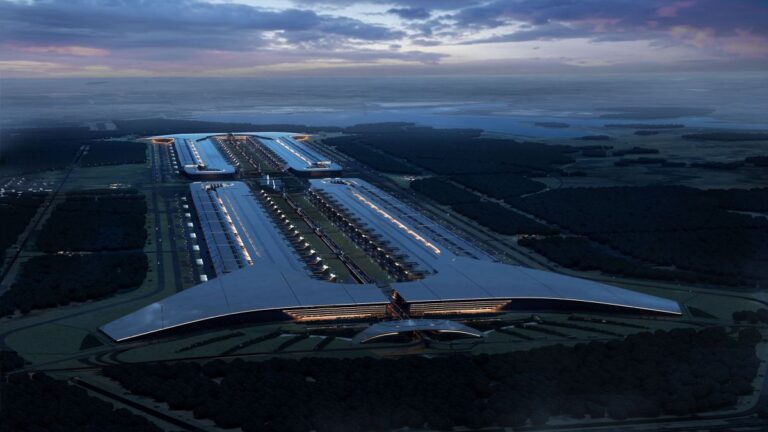
Across the United States, an unusual political alliance has emerged as communities from Florida to Arizona unite in opposition to artificial intelligence data center construction. This bipartisan backlash represents a rare moment where traditional political divisions dissolve around a shared local concern, according to recent reporting from policy journalists covering the issue.
Communities opposing data center development cite varied but interconnected grievances. Residents worry about environmental impacts specific to their regions, from groundwater contamination and water depletion to noise pollution and electromagnetic frequencies. Beyond physical concerns, many express skepticism about promised economic benefits, noting that these facilities typically create few permanent jobs despite massive construction projects and infrastructure demands.
The opposition movement transcends traditional partisan lines in unexpected ways. Conservative voters who typically support business development now organize alongside progressive environmentalists. Some longtime Trump supporters say they would vote for Democratic candidates if it meant stopping data center projects in their neighborhoods. This realignment reflects frustration not merely with the buildings themselves but with what they represent: technology infrastructure serving artificial intelligence applications that many view with deep mistrust and concern about job displacement.
Political candidates have begun responding to grassroots pressure. Some have shifted rhetoric to emphasize “responsible” development while accepting donations from industry groups. Florida’s upcoming gubernatorial primary may serve as a bellwether, with voters potentially punishing pro-development candidates despite high-profile endorsements, signaling that data center opposition could reshape electoral politics across multiple states.
Originally reported by Theverge →
About the Author