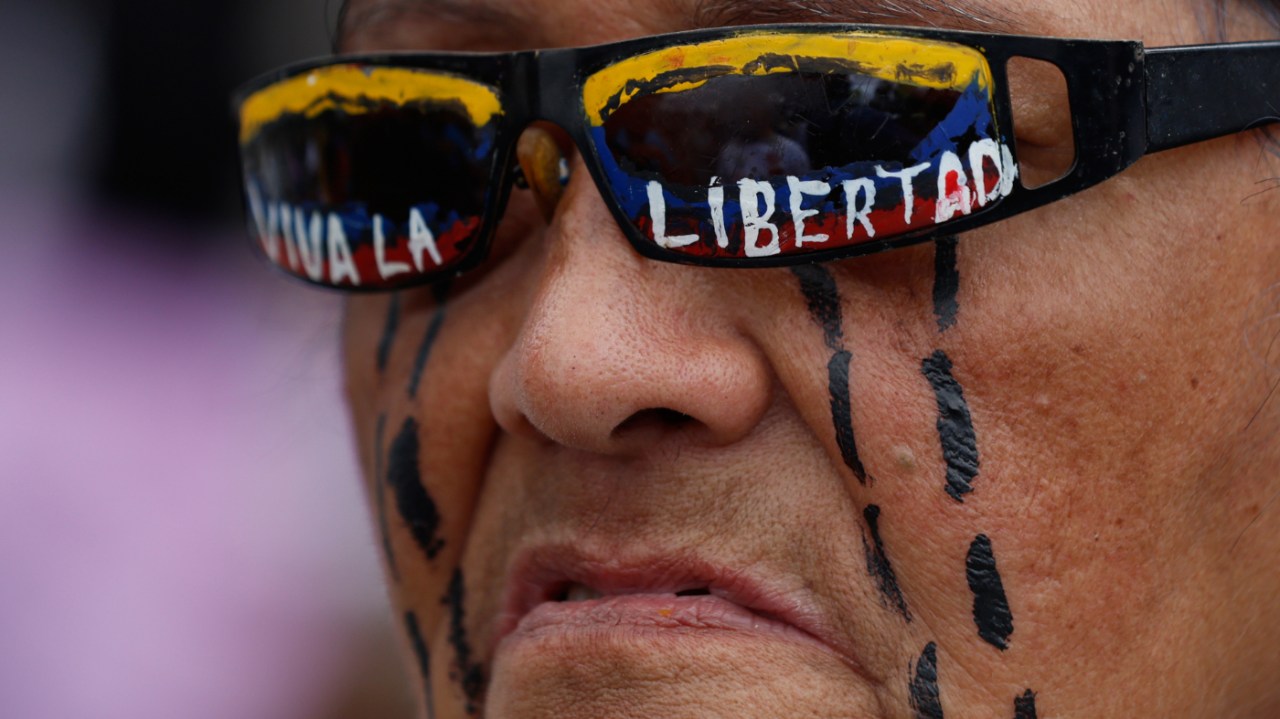
Seven months after the arrest and removal of Venezuelan dictator Nicolás Maduro, significant progress has been made in certain areas. Authorities have secured enriched uranium, captured a Hezbollah operative, neutralized a gang leader, and initiated oil industry recovery. However, major obstacles to democratic transition persist, with 379 political prisoners still detained and no electoral timeline established.
Recent dialogue between the interim government and opposition representatives has focused on disaster recovery and democratic strengthening following a June earthquake. Notably absent from these discussions was María Corina Machado, the leading opposition figure currently in exile. The talks have not explicitly addressed the release of detained prisoners, highlighting the gaps between what officials are negotiating and what opposition leaders demand.
State Department officials acknowledge the complexity of dismantling systems entrenched for over 25 years. They emphasize that stabilization is crucial to prevent civil conflict and mass displacement, while establishing the economic foundations needed for foreign investment and democratic governance. Machado, speaking from exile, supports dialogue but stresses that Venezuela has engaged in talks for more than two decades without results, making immediate action on prisoner releases, free expression, and electoral timelines essential.
The U.S. Embassy has endorsed a three-phase transition plan encompassing stabilization, economic recovery, and eventual democratic elections. Yet analysts note that while the current government has yielded to international pressure on security and economic matters, it has shown reluctance to dismantle repressive institutions or genuinely relinquish power.
Originally reported by Thehill →
About the Author