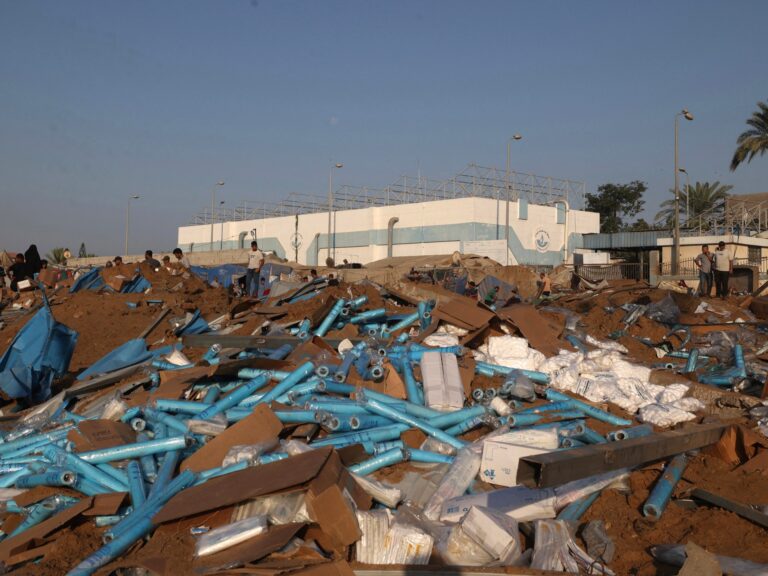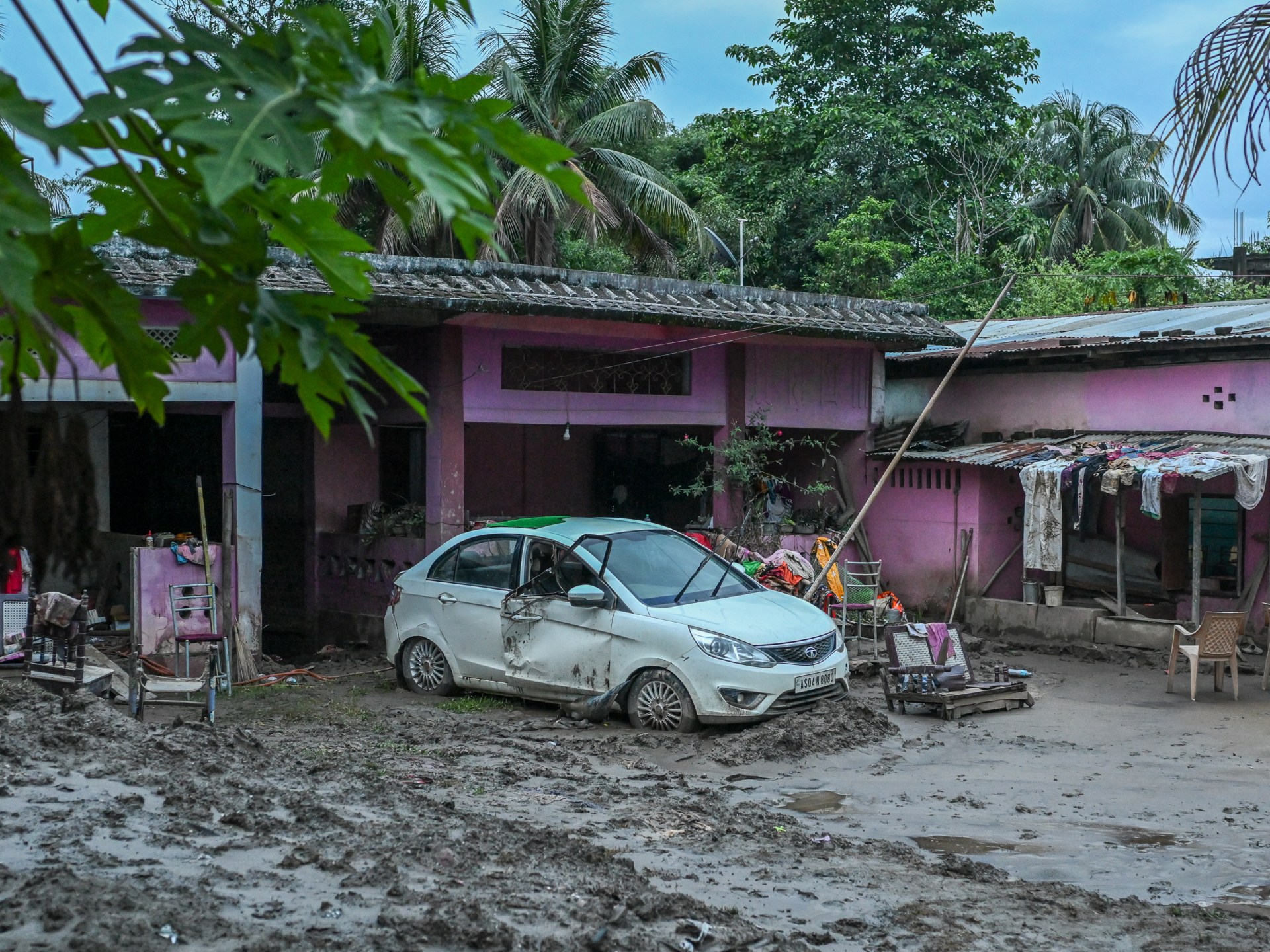
India has experienced a devastating monsoon season that has claimed over 100 lives since July, with severe flooding and landslides affecting multiple states across the country. The disaster has displaced thousands of residents from their homes, forcing them to seek shelter in relief camps and temporary facilities.
The hardest-hit region has been Assam, where at least 87 deaths have been recorded, with nearly half occurring in Sivasagar district alone. Other affected areas include Kerala, which has reported at least 15 fatalities and seven missing persons, and Jammu and Kashmir, where at least 31 people have died. Lightning strikes associated with severe thunderstorms have also claimed at least 14 lives in Jharkhand, primarily affecting agricultural workers caught in open fields.
Scientists attribute the intensifying severity of the monsoon season to climate change and the El Niño weather pattern, which disrupts normal rainfall distribution across South Asia. While monsoon rains are essential for agriculture and water supply in the region, the increasingly extreme precipitation events are creating dangerous conditions. The impact extends beyond India’s borders, with Sri Lanka reporting eight deaths and displacing over 12,000 people, even as its eastern regions simultaneously face severe drought conditions requiring emergency water transport.
Originally reported by Aljazeera →
About the Author