“`html
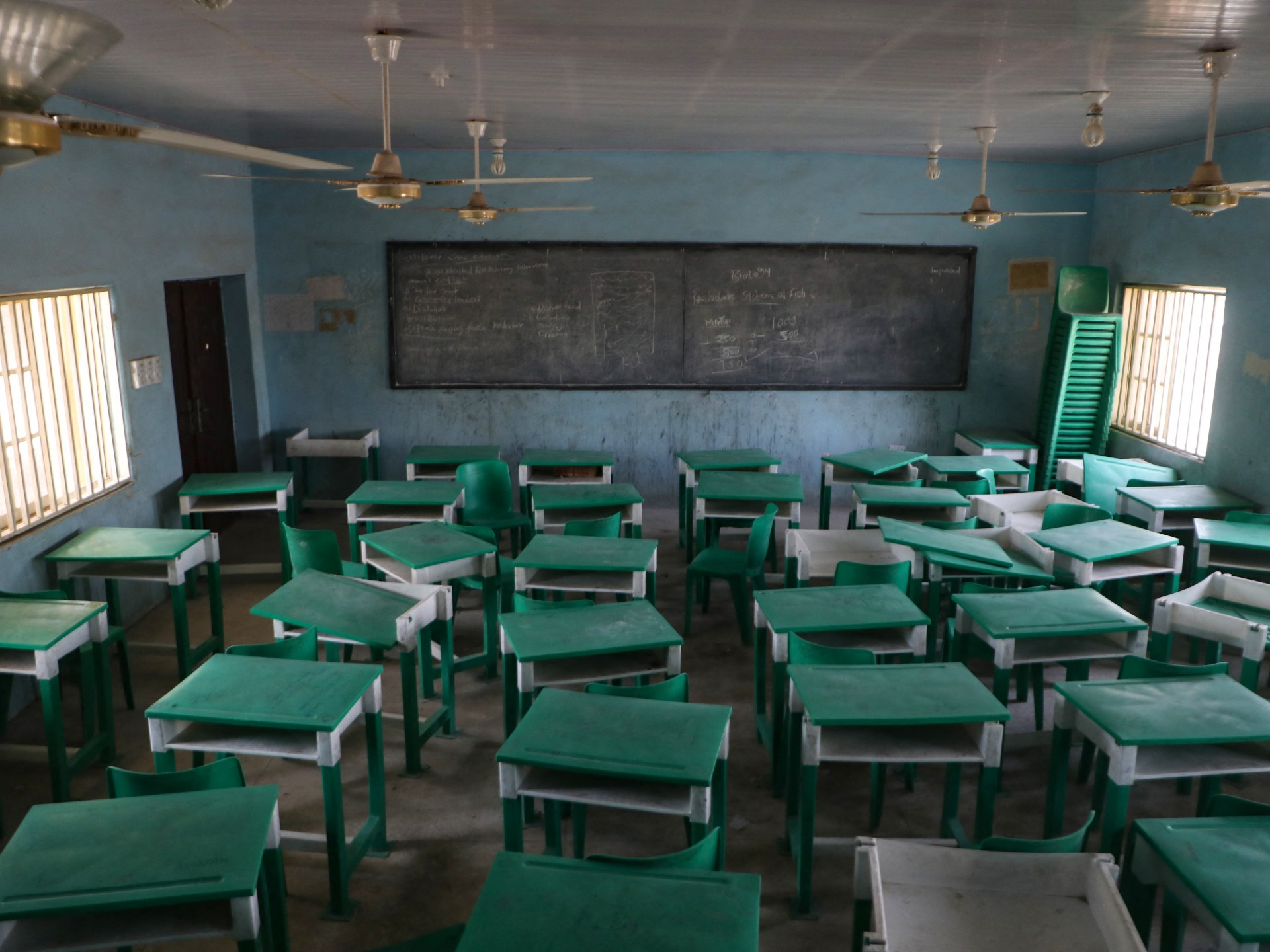
Nigeria’s struggle to protect its schoolchildren remains unresolved despite over a decade of efforts following the 2014 Chibok abduction that captured global attention. The Safe Schools Initiative, launched in response to that tragedy and later expanded nationwide, has failed to prevent ongoing kidnappings. Recent incidents, including the abduction of 39 pupils and six teachers held captive for nearly two months in 2026, demonstrate the initiative’s continued shortcomings.
While the Safe Schools Initiative outlines comprehensive measures including perimeter fencing, security personnel, and early-warning systems, implementation has been severely hampered by funding mismanagement, incomplete rollout, and structural gaps. Data reveals that over 42,000 schools across northern Nigeria lack basic perimeter fencing. Investigations have raised concerns about alleged diversion of the 145-billion-naira financing allocation, and school closures in bandit-affected regions persist due to inadequate security infrastructure.
Experts argue that fortifying school grounds alone cannot address the deeper security crisis. Students remain vulnerable during transit, and armed groups continue operating freely in surrounding communities where economic hardship, weak governance, and marginalization provide fertile ground for recruitment. Effective protection requires addressing these underlying conditions alongside sustained investment in trained security personnel and system maintenance, not merely constructing walls around educational facilities.
“`
Originally reported by Aljazeera →
About the Author