“`html
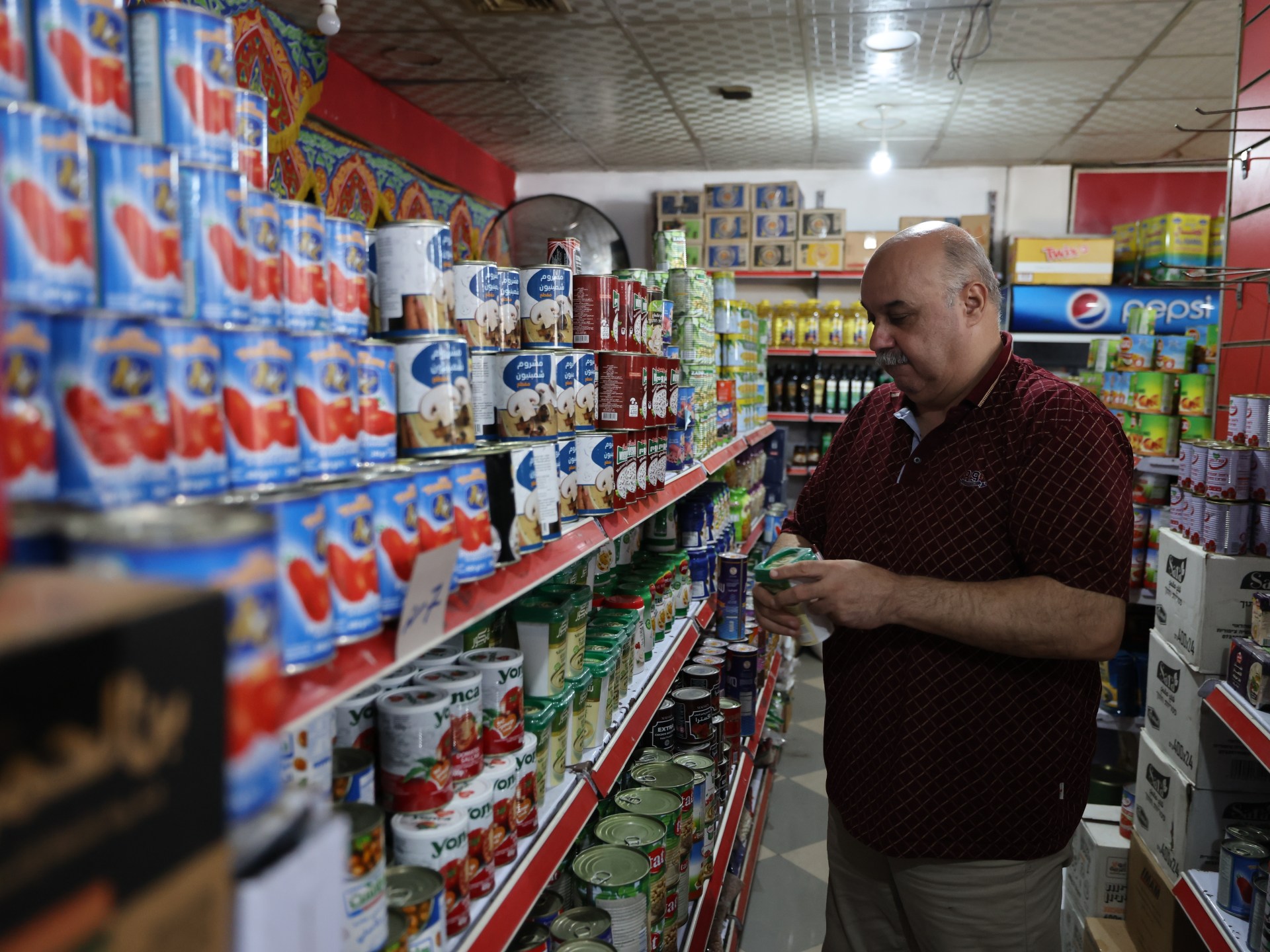
While merchandise has begun reappearing on store shelves across Gaza following months of severe shortages, the return of goods masks a deeper crisis facing the territory’s displaced population. Families struggling to survive in overcrowded shelters find themselves unable to purchase even basic necessities, as prices have skyrocketed far beyond what most residents can afford. The economic devastation wrought by conflict has left households depleted of savings and stripped of employment opportunities, forcing difficult choices between hunger and survival.
Shop owners report a dramatic shift in customer behavior, with people now purchasing smaller quantities of essentials while luxuries have become completely out of reach. Many customers attempt to buy on credit, but merchants face their own financial pressures and cannot sustain unlimited credit arrangements. Some residents have resorted to bartering goods or selling personal belongings just to feed their families, indicating the severity of the affordability crisis despite improved product availability.
According to economic analysts and international organizations, the core problem is not supply but purchasing power. Food prices remain substantially elevated compared to pre-war levels, while the majority of the population lacks stable income sources. Without meaningful job creation and long-term economic stabilization, the territory’s residents will continue depending on humanitarian assistance rather than achieving genuine economic recovery through commercial activity.
“`
Originally reported by Aljazeera →
About the Author