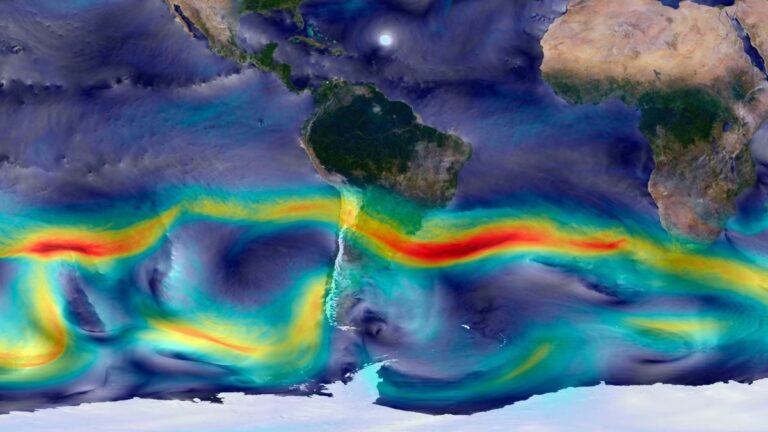
Climate forecasters warn that an intensifying El Niño weather pattern may bring record-breaking heat to a planet already experiencing unprecedented warming. Researchers suggest this particular El Niño cycle will be exceptionally powerful and could contribute to extreme temperatures throughout the coming year and beyond.
According to Jong-Seong Kug, a climate scientist at Seoul National University, powerful El Niño events can trigger sudden and potentially permanent shifts in Earth’s climate systems. Kug notes that while super El Niño conditions do not automatically cause irreversible changes, they can push ecosystems that are already under stress past critical breaking points. He emphasizes particular concern about the Amazon rainforest, which could transition from a carbon-absorbing forest to a drier, degraded landscape that actually releases carbon into the atmosphere, potentially accelerating global warming long after the El Niño subsides.
While humanity cannot prevent El Niño events, Kug suggests immediate actions could reduce their damaging effects. Governments should use climate forecasts to improve preparations for heat waves, water shortages, food insecurity, floods, and wildfires. Long-term greenhouse gas emissions reductions remain crucial, as additional warming increases the risk that extreme natural events will cause lasting damage.
Kug acknowledges that achieving significant emissions cuts appears unlikely in the near term. He suggests that if mitigation efforts fail, humanity may eventually need to consider climate engineering technologies, such as injecting aerosols into the stratosphere to reflect sunlight. However, he cautions that such interventions carry unknown consequences and would require international cooperation to implement fairly.
Originally reported by Livescience →
About the Author