The World Is Running Out of River Sand, And That’s a Massive Issue
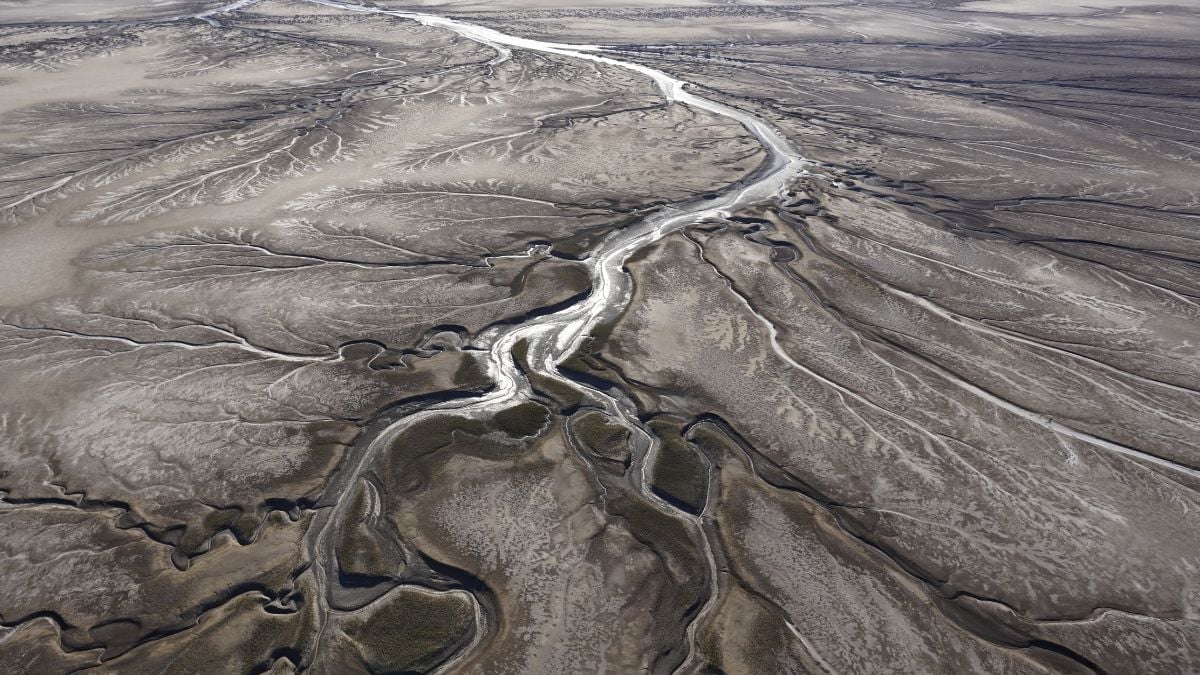 We're digging it up faster than it can be replaced.
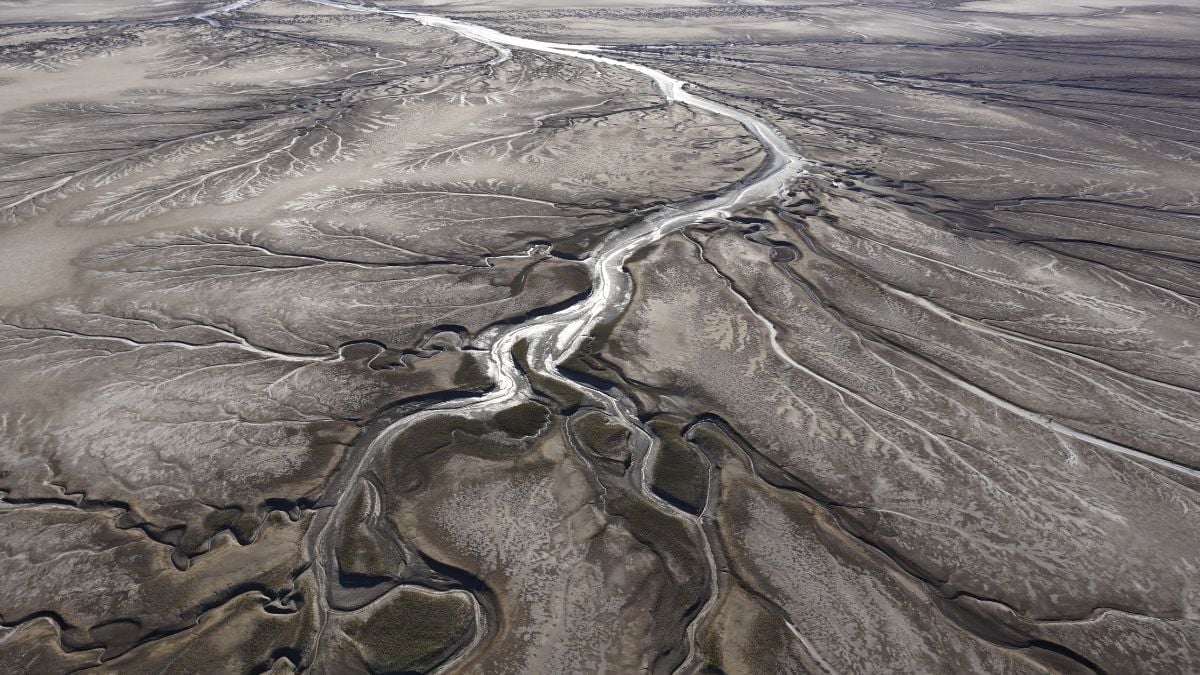
A comprehensive analysis of over 400 scientific studies has documented a critical global shortage: rivers are being depleted of sand far faster than nature can replenish it. Industrial mining operations extract river sediment at unsustainable rates to meet soaring demand for construction materials, particularly concrete. Researchers warn that without intervention, many of the world’s major waterways face irreversible ecological damage.
The Mekong Delta in Vietnam exemplifies the severity of this crisis. Mining operations there extract sand at rates nearly 12 times higher than the natural replenishment cycle. Between 2015 and 2022, approximately 366 million cubic meters were removed, causing riverbeds to sink nearly half a meter in depth. This dramatic erosion has destabilized riverbanks, triggering the collapse of over 1,800 houses between 2018 and 2020, while saltwater intrusion threatens agricultural areas upstream. Similar devastation has affected major river systems in China, India, Brazil, and France.
Sand and gravel represent the world’s most heavily extracted solid materials, comprising over 70 percent of concrete by volume. River sand is particularly prized for construction because its grains provide superior friction compared to desert or marine alternatives. However, experts argue that economic benefits must be weighed against severe environmental consequences. Scientists recommend implementing extraction limits based on natural replenishment rates, strengthening enforcement against illegal mining, and establishing sustainable mining zones. Many nations currently lack adequate data to assess the balance between economic needs and environmental impact.
Originally reported by Sciencealert →
About the Author