Ancient Microorganisms Discovered Inside One of Antarctica’s Most Inhospitable Landmarks
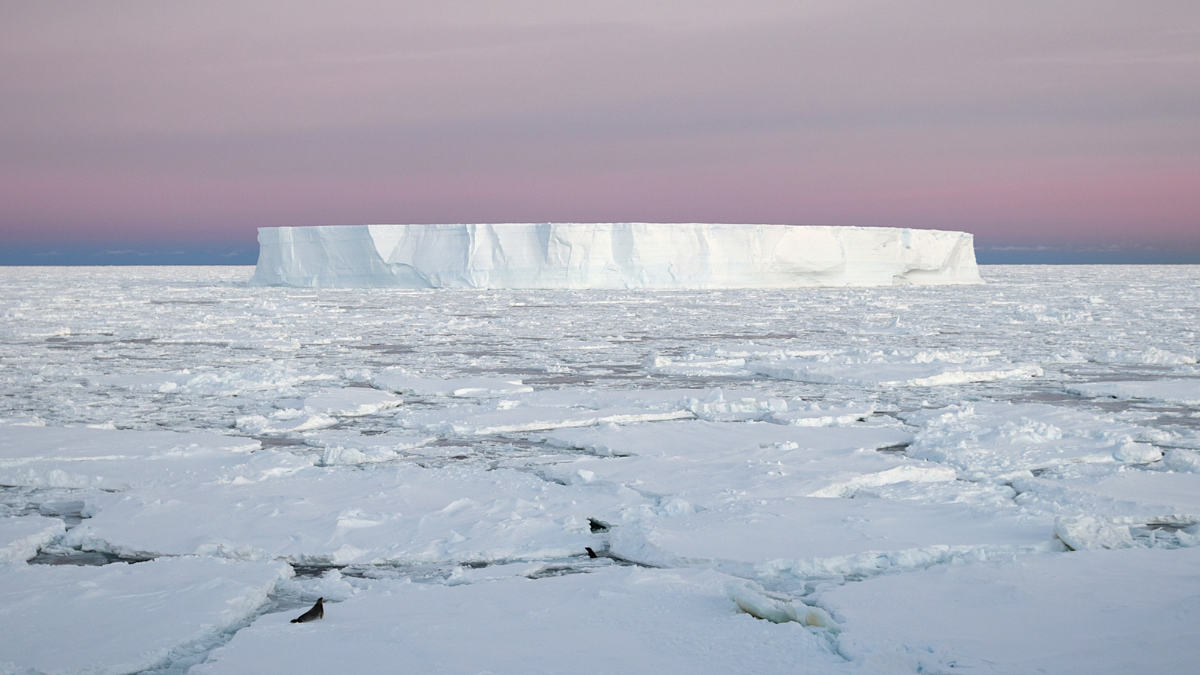 An ancient ecosystem living in the dark.
“`html
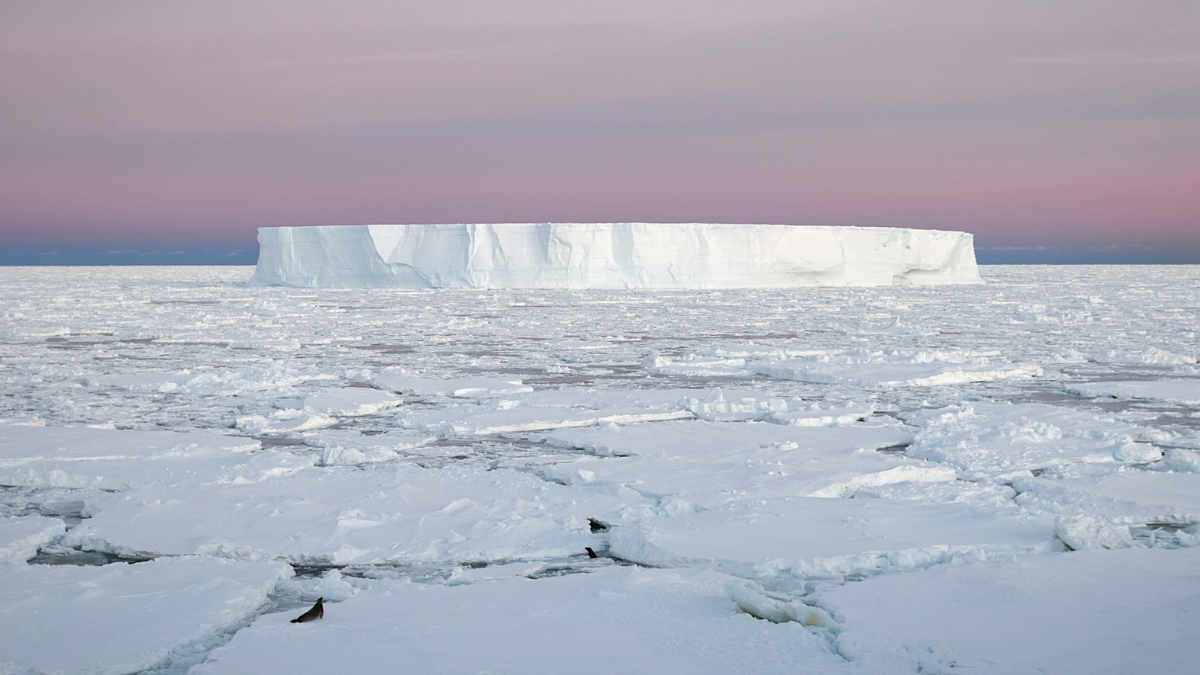
Scientists have discovered a thriving community of ancient microorganisms living beneath one of Antarctica’s most distinctive geological features. Blood Falls, a striking red waterfall that flows from Taylor Glacier into Lake Bonney, has long intrigued researchers with its unusual appearance and extreme environment. A new study published in Nature Geoscience reveals that the glacier harbors a complex ecosystem of microscopic eukaryotic organisms that may have remained isolated for millions of years.
The blood-red coloration of the falls results from iron oxidation rather than algae, as initially believed. Beneath the glacier lies a reservoir of hypersaline brine that became trapped when ancient seawater flooded the valley millions of years ago. This salty water remains liquid despite freezing temperatures because salt lowers the freezing point of water, creating a preserved pocket of the ancient marine environment.
Researchers led by microbiologist Angela Zoumplis collected samples and analyzed genetic material to identify which organisms were actively living in the brine system. They discovered distinctive marine microbes including diatoms, dinoflagellates, and ciliates concentrated specifically around Blood Falls. These organisms showed genetic differences from their modern ocean cousins, suggesting they descended from a marine community isolated beneath the glacier as Antarctica transformed into the frozen continent it is today.
The findings suggest that the hypersaline brine acted as a refuge, allowing descendants of ancient marine life to survive dramatic environmental changes over millions of years. Exactly how these organisms have endured in this extreme and isolated ecosystem remains an open question for future research.
“`
Originally reported by Sciencealert →
About the Author