Ecosystems of Rock-Eating Fungus And Tardigrades Found Thriving Deep Within a Gas Shale
 Deeper than we thought was possible.
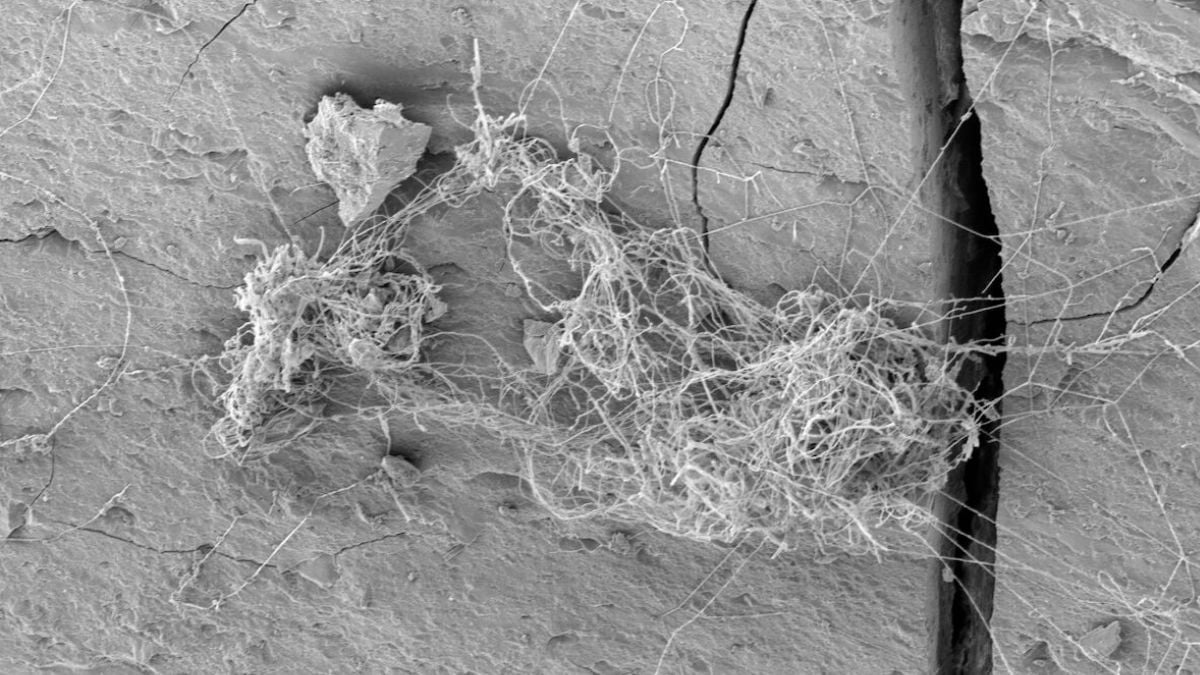
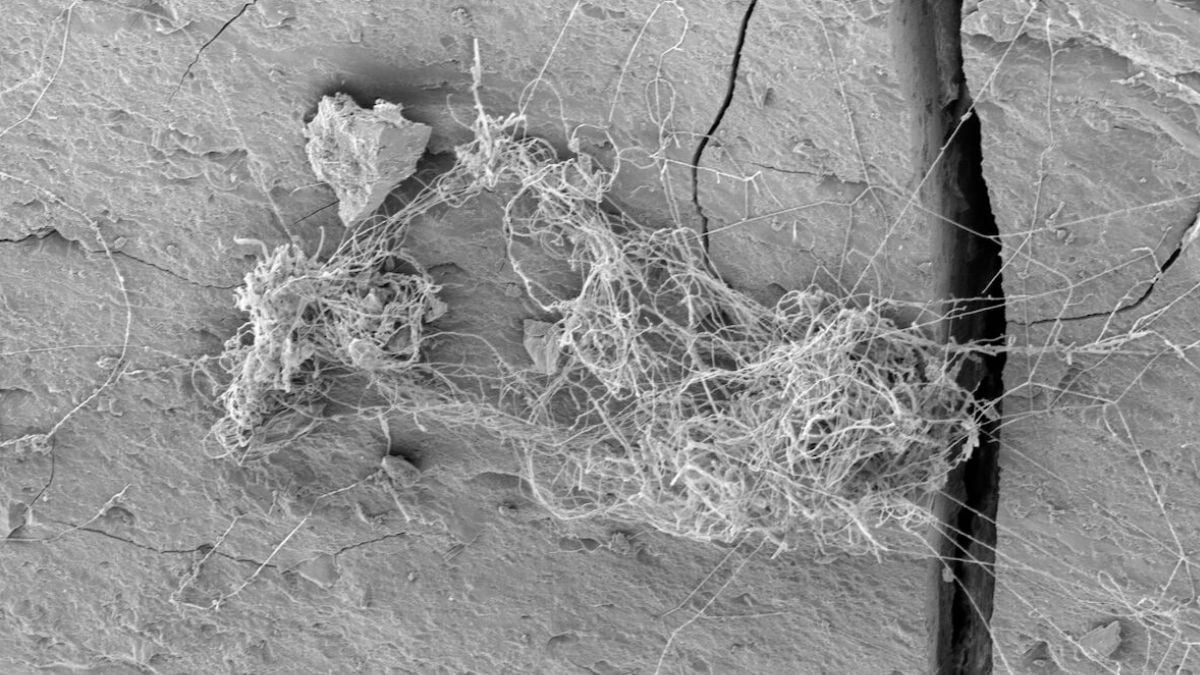
Scientists have discovered thriving biological communities living deep beneath the surface in the Antrim Shale, one of the United States’ most productive gas fields. Researchers from the University of Michigan analyzed water samples extracted from wells drilled between 810 and 1,824 feet underground, revealing an unexpectedly diverse ecosystem of fungi, tardigrades, worms, and other organisms in an ancient rock formation that is approximately 350 million years old.
The team identified nearly 700 fungal species through genetic analysis and successfully cultivated over 200 strains in laboratory conditions, with 13 appearing to be previously unknown to science. The dominant fungal groups discovered were Agaricomycetes and Dothideomycetes, both capable of breaking down lignin and cellulose—complex organic compounds that most organisms cannot easily digest. This metabolic capability likely explains how these fungi thrive in such an extreme environment, functioning as decomposers of the rock’s organic material.
Beyond fungi, researchers detected genetic evidence of microscopic animals including rotifers, segmented worms, and tardigrades, along with parasitic organisms. Fungal cells comprised roughly one-sixth of the total biomass in water samples, with concentrations comparable to those found in ocean and Antarctic environments. The research challenges the prevailing assumption that fungal-driven decomposition occurs exclusively near Earth’s surface, suggesting that complex biological processes occur in subsurface environments thought to be largely sterile.
Scientists believe these underground communities have maintained stable conditions since the Late Pleistocene period, with some water samples remaining untouched by surface conditions for approximately 11,000 years. The findings open new questions about how life persists in harsh subterranean environments and the role of fungi in deep carbon cycling.
Originally reported by Sciencealert →
About the Author