“`html
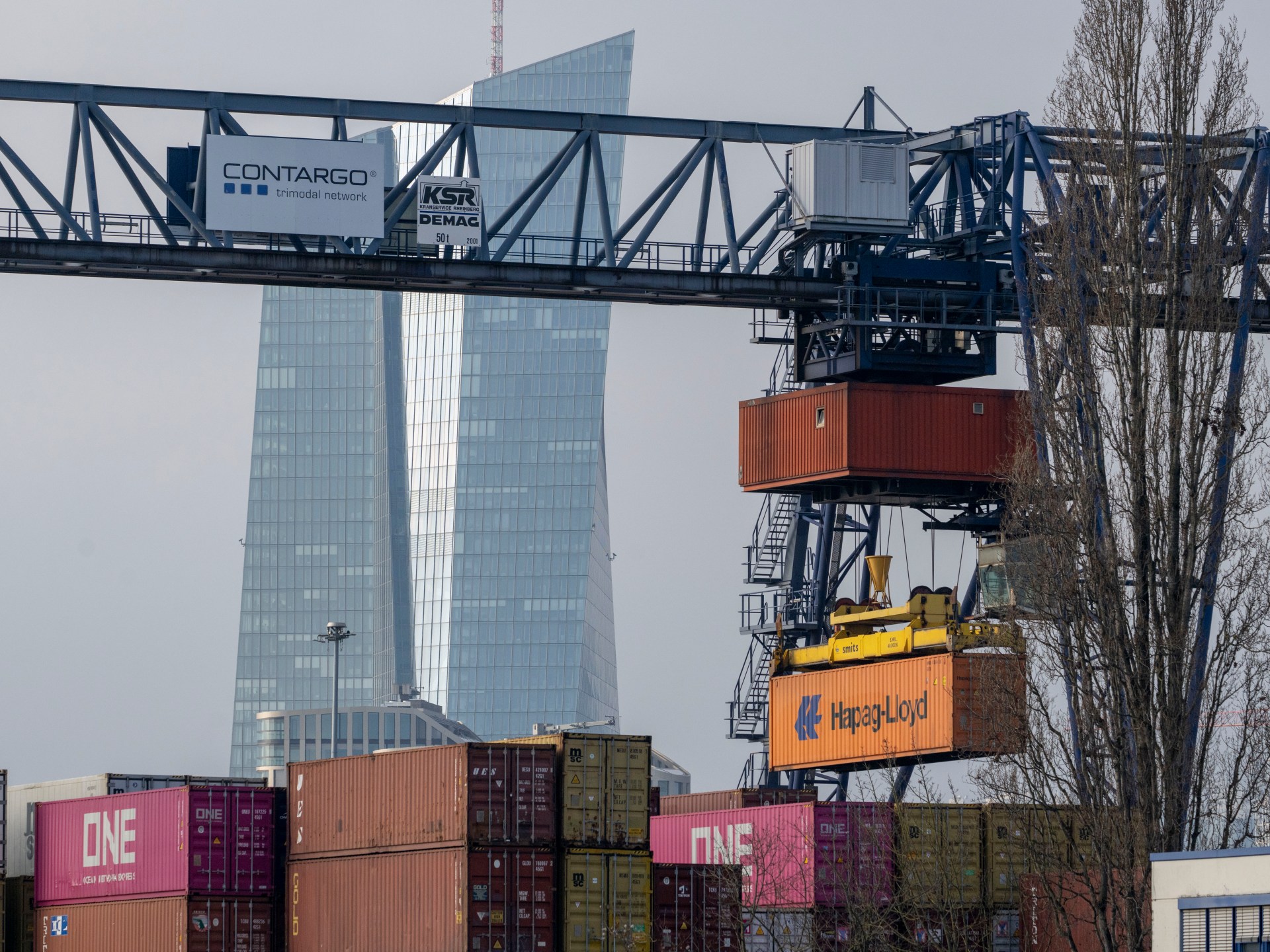
The Trump administration has triggered sharp criticism from numerous trading partners after implementing a fresh round of tariffs affecting more than 80 countries. The new duties, ranging from 10 to 12.5 percent, were justified on grounds that targeted nations failed to prevent imports produced through forced labor. The levies were imposed under Section 301 of the Trade Act of 1974, though many affected countries have disputed the forced labor allegations.
International responses have been largely negative, with leaders expressing frustration over what they view as insufficient evidence supporting the administration’s claims. Australia’s trade minister emphasized his country’s serious approach to combating modern slavery, while New Zealand’s prime minister called the tariffs “extremely disappointing,” noting the US investigation lacked meaningful substantiation. The European Commission expressed cautious satisfaction, stating the measures aligned with existing trade agreements between the US and EU. Japan’s government objected to the characterization, asserting Japanese industries comply with international standards.
China condemned the tariffs as counterproductive, maintaining its longstanding opposition to unilateral trade measures. India’s textile sector expressed concern about differential treatment that could redirect sourcing away from Indian exporters. The United Kingdom reported minimal impact due to previous exemptions in bilateral trade agreements. These varied reactions underscore ongoing tensions over Trump’s protectionist trade strategy, which has previously encountered legal challenges, including a Supreme Court ruling against his reciprocal tariff proposals.
“`
Originally reported by Aljazeera →
About the Author