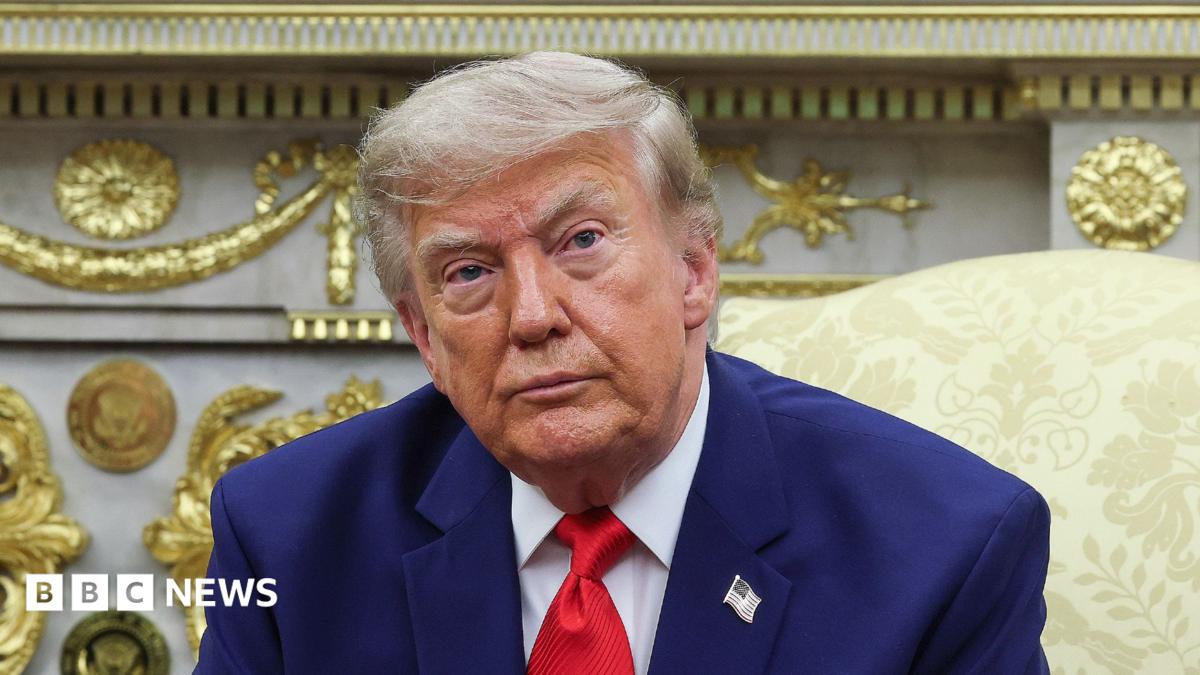
The United States has announced a fresh round of tariffs targeting 60 trading partners, including major economies like China, the European Union, and the United Kingdom. The new duties, ranging from 10% to 12.5%, will apply to nearly all imports entering the country. This marks another significant escalation in trade tensions since President Donald Trump resumed office, continuing his administration’s protectionist agenda.
The tariffs officially replace a temporary levy that expired on Friday, which had been put in place following a February Supreme Court decision that invalidated previous tariff measures. U.S. Trade Representative Jamieson Greer justified the action as a response to countries failing to adequately address forced labour practices. However, trade experts have questioned this rationale, with some analysts suggesting the true motivation centers on reducing America’s trade deficit and boosting domestic manufacturing rather than labour concerns.
The new duties are likely to increase expenses for businesses and consumers, though the impact may be partially offset by exemptions on certain goods. The levies have drawn criticism from multiple nations, with Brazil, Japan, and Australia all expressing opposition. China has denied forced labour allegations, characterizing the tariffs as political manipulation. Meanwhile, the UK found itself in a relatively disadvantaged position compared to the European Union under the new regime, though whisky products secured an exemption following recent diplomatic discussions.
About the Author