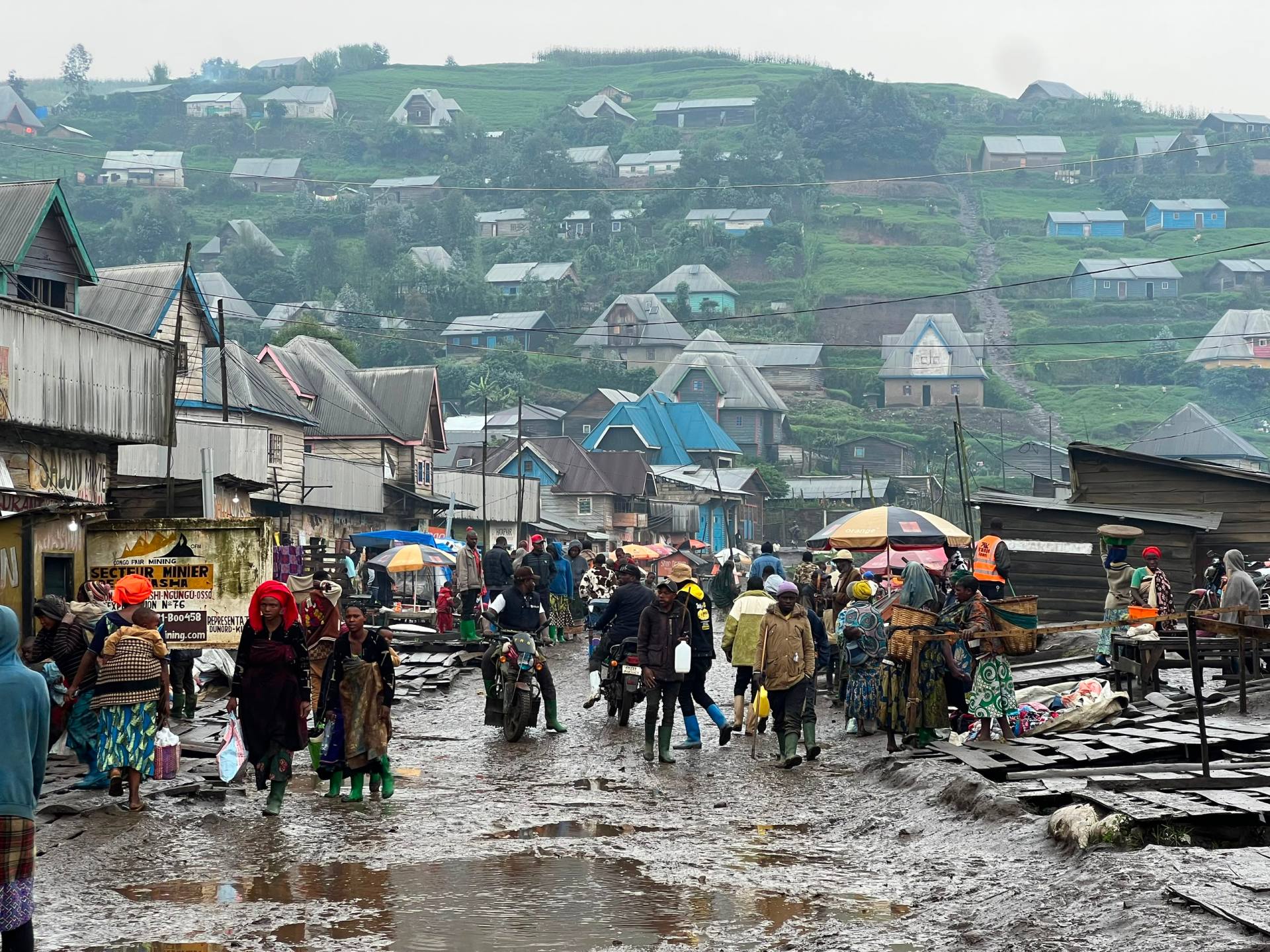
The Democratic Republic of the Congo is preparing to conduct its first national census in over four decades, marking a significant milestone for a nation where millions lack official documentation. The last census occurred in 1984, when the country was still called Zaire. For many Congolese citizens, participation in this demographic survey represents far more than a statistical exercise—it offers the prospect of official state recognition and a pathway to obtaining identity documents.
Residents like 28-year-old Heritier Ramazani view the census as an opportunity to finally establish their existence within government records. Without official identification papers, many Congolese face barriers to voting, accessing services, and establishing citizenship. The World Bank estimates the country’s population at approximately 112 million, with an annual growth rate of roughly 3.2 percent. Officials assert the census will provide essential data for planning public services and strengthening administrative systems.
The undertaking presents substantial logistical challenges. The DRC spans over 2.3 million square kilometers with limited infrastructure and ongoing security concerns in eastern regions controlled by armed groups. Authorities will employ digital mapping and tablet-based data collection rather than traditional paper forms. However, civil society observers warn that population displacement and weak state authority in conflict areas may prevent comprehensive coverage, while political tensions surrounding the 2028 elections could complicate the process.
Originally reported by Aljazeera →
About the Author