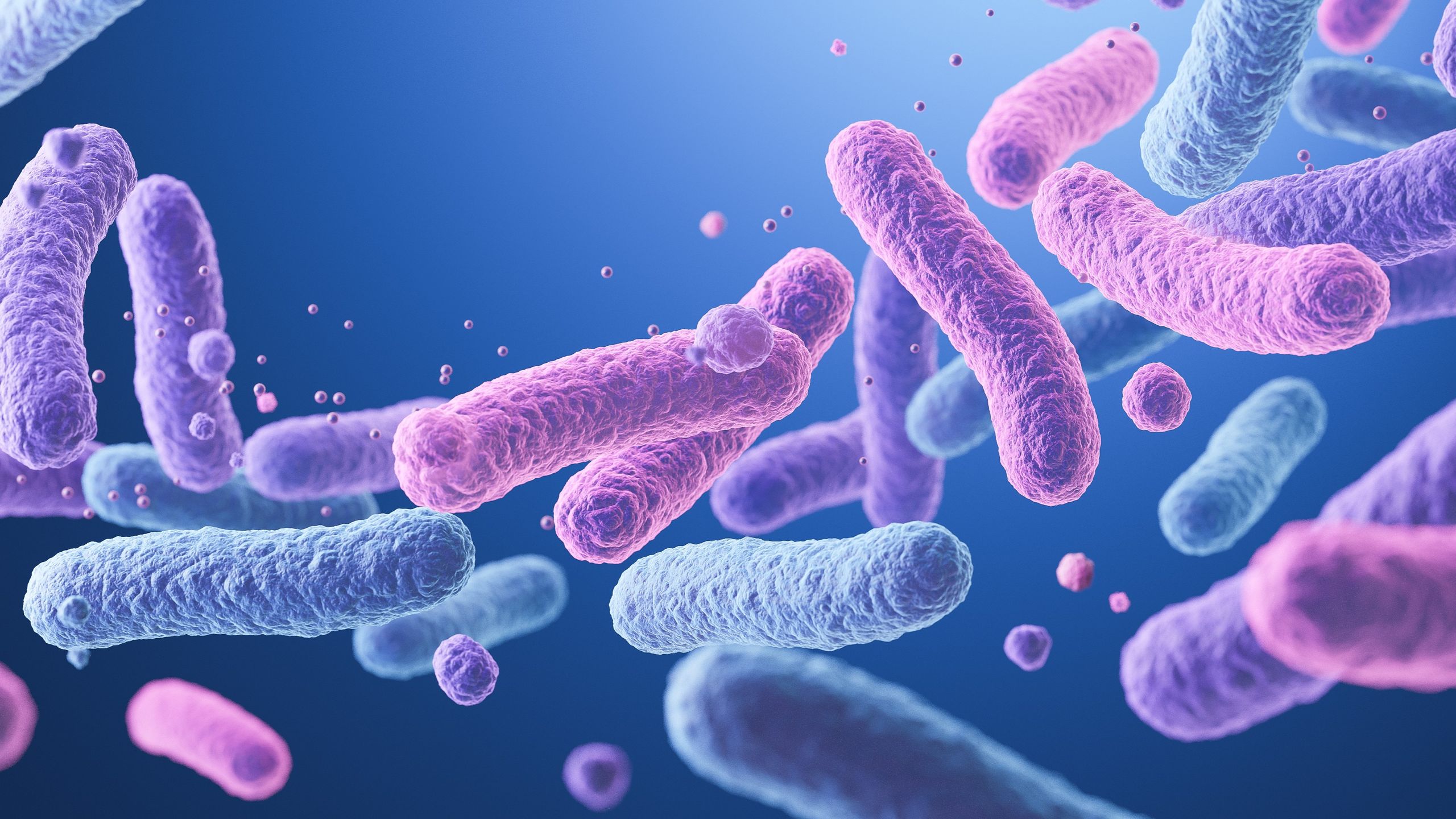
A new study suggests that specific bacteria residing in the uterus may play a crucial role in maintaining fertility as women age. Researchers found that certain Lactobacillus species become less abundant with age, potentially contributing to reduced uterine receptiveness to embryo implantation—a separate factor from age-related changes in egg quality that commonly affect fertility.
In laboratory experiments with aged mice and human uterine tissue, scientists treated samples with L. gasseri bacteria or a compound derived from it called LG-EPS. The treatments reduced signs of aging in the uterine lining and improved embryo implantation rates. The postbiotic—a non-living bacterial byproduct—appeared to work by modifying cellular signaling pathways that regulate tissue repair and growth.
Analysis of uterine tissue from 149 women undergoing fertility treatment revealed that those who became pregnant had higher Lactobacillus levels than those who did not. Researchers identified exopolysaccharides, sugar molecules produced by L. gasseri, as the key component responsible for the beneficial effects observed in aging uteri.
While the findings are promising, fertility experts urge caution. The research remains preliminary, and scientists stress that the uterine microbiome is influenced by numerous factors including genetics, diet, and lifestyle. Specialists recommend against self-treating with over-the-counter probiotics and emphasize the need for further validation across diverse populations before developing clinical treatments.
Originally reported by Livescience →
About the Author