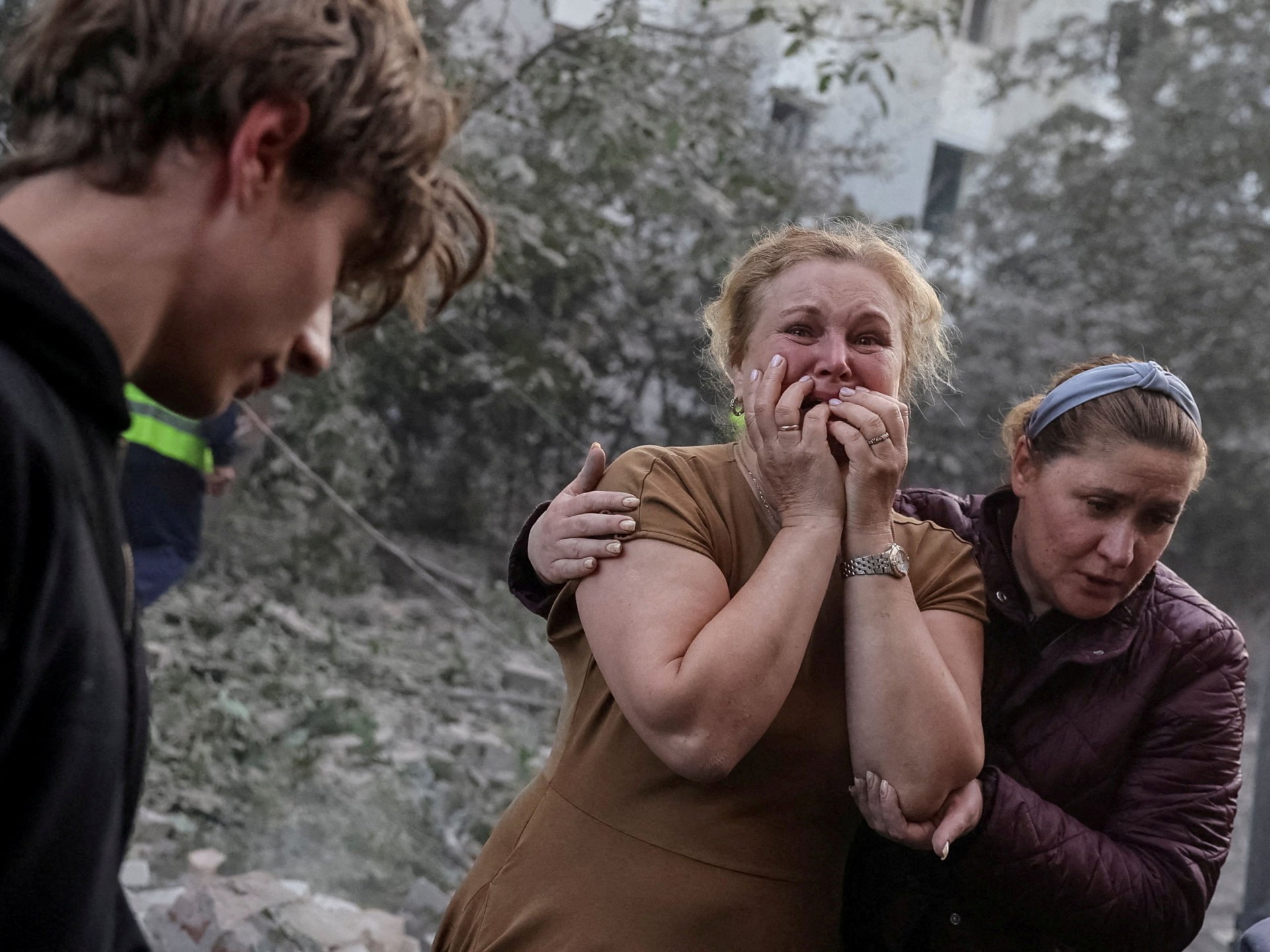
Russia intensified its aerial assault on Ukraine in July, deploying approximately 8,300 glide bombs throughout the month—the highest monthly total since the conflict began. This escalation comes as Moscow grapples with mounting military losses and domestic energy challenges. According to Ukraine’s defense ministry, these weapons represent a significant threat that Ukrainian forces have struggled to counter effectively.
The casualty toll continues to mount for Russian forces, with Ukraine’s military claiming that Moscow lost 42,800 personnel during July alone, marking the highest monthly loss rate recorded so far in 2026. Independent verification of these figures remains impossible, though some international analysts have noted significantly higher Russian casualty ratios compared to earlier phases of the conflict. Meanwhile, Ukrainian President Volodymyr Zelenskyy has reported his country’s casualties at 450,000, including 50,000 deaths.
Ukraine has launched a comprehensive counter-offensive targeting Russian military infrastructure. A recently renewed 40-day air campaign successfully struck numerous oil refineries, ammunition production facilities, and military airfields across Russian territory. The campaign has reportedly destroyed approximately one-third of Russia’s refining capacity, with strikes reaching locations over 1,600 kilometers from the Ukrainian border.
Despite these achievements, Russia maintains control over significant Ukrainian territory, though its territorial gains have substantially slowed compared to previous years. Military analysts note that Russia’s battlefield performance has deteriorated markedly in 2026, with limited territorial advances offset by catastrophic personnel losses.
Originally reported by Aljazeera →
About the Author