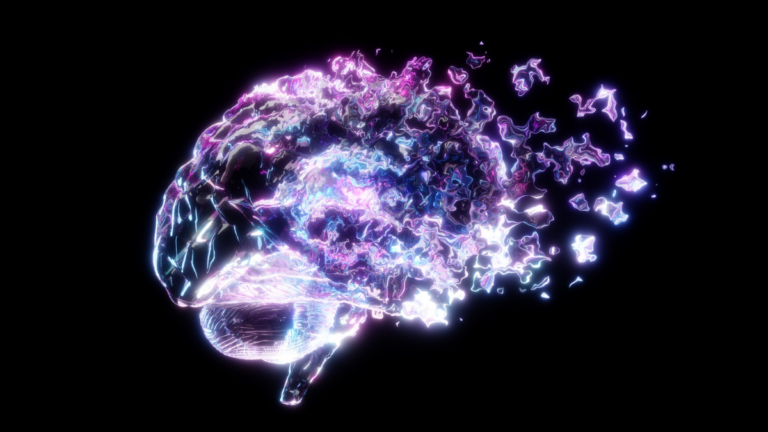
Massive Study of 10 Million Siblings Links Birth Order To Risk of ADHD, Autism
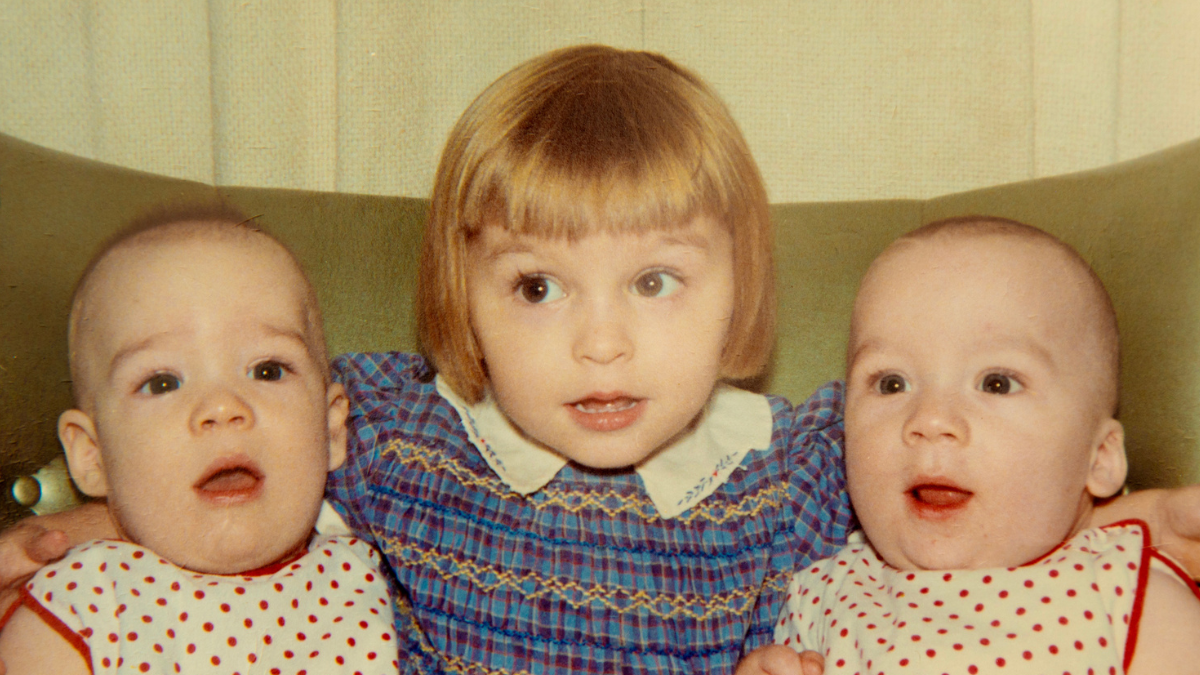 The order matters.
“`html
A comprehensive analysis of over 10 million siblings has revealed a significant connection between birth order and the development of various neurological and physical conditions. Researchers from the University of Chicago and Columbia University examined health insurance data to identify patterns in disease prevalence among first-born and second-born children. The findings, published in Nature Health, suggest that being born first or second may influence susceptibility to hundreds of different diseases.
First-born children showed elevated rates of conditions including autism, ADHD, Tourette’s syndrome, and obsessive-compulsive disorder, alongside allergies. In contrast, second-born children demonstrated higher susceptibility to digestive issues, migraines, shingles, and substance abuse problems. Out of 569 diseases examined in the study, approximately 150 displayed measurable differences in occurrence between birth orders. The researchers controlled for various confounding factors by comparing siblings within the same family as well as across different families.
The spacing between siblings also played a role in disease risk. For example, larger age gaps between children increased autism risk for first-borns but decreased allergy likelihood. While the study establishes a clear statistical association between birth order and disease susceptibility, researchers emphasize these effects remain modest in size. The underlying mechanisms remain unclear, requiring further investigation to determine whether physiological, immunological, or social factors—or a combination thereof—drive these patterns.
“`
Originally reported by Sciencealert →
About the Author