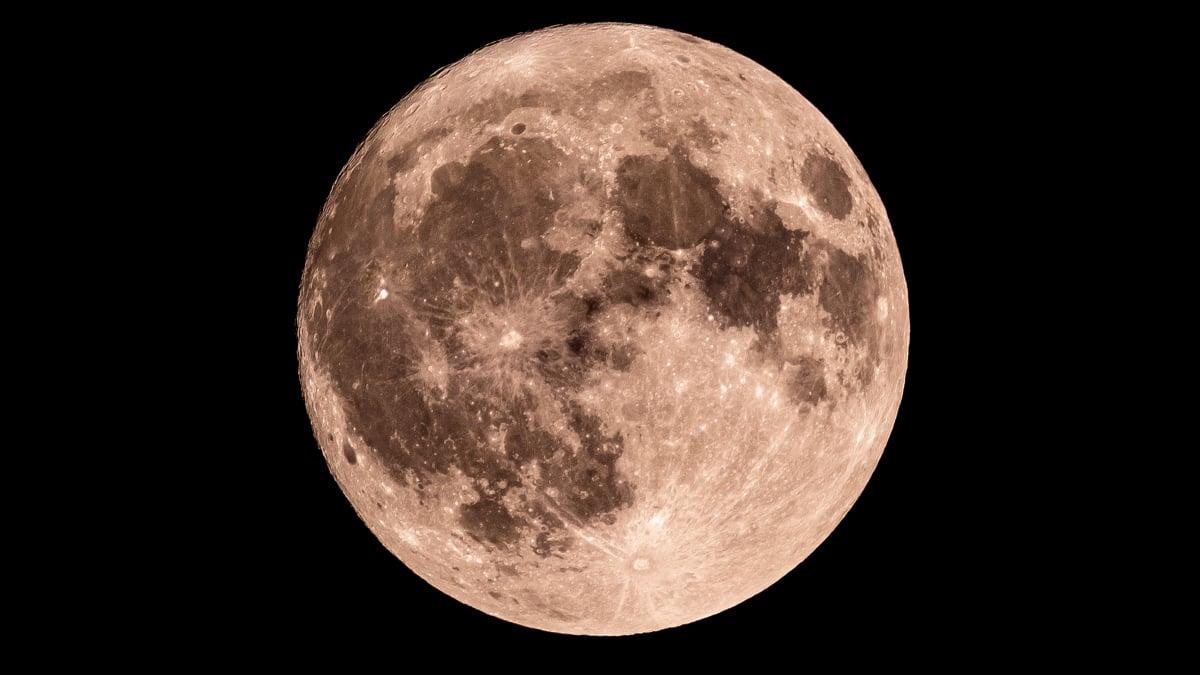
On August 7, the Moon enters its waning crescent phase, with approximately 37 percent of its surface illuminated according to NASA’s tracking data. This marks one of the final opportunities to observe lunar features before the Moon reaches its new phase, when it becomes nearly invisible against Earth’s night sky.
Stargazers without optical equipment can still identify prominent lunar landmarks during this period, including the Aristarchus Plateau and Copernicus Crater. Those using binoculars will gain access to additional formations such as the Grimaldi Basin, Gassendi Crater, and Mare Humorum. Telescope users can push even further, revealing the Schiller Crater and the Apollo 12 landing site.
The lunar cycle repeats approximately every 29.5 days as the Moon orbits Earth. Throughout this journey, the relative positions of the Sun, Earth, and Moon continuously shift, determining which portion of the illuminated lunar surface becomes visible from our vantage point. This ongoing dance between celestial bodies produces the eight familiar phases observers witness each month.
The next full Moon is scheduled to occur on August 28, providing observers with a completely illuminated lunar face after the current waning crescent phase concludes.
Originally reported by Mashable →
About the Author