“`html
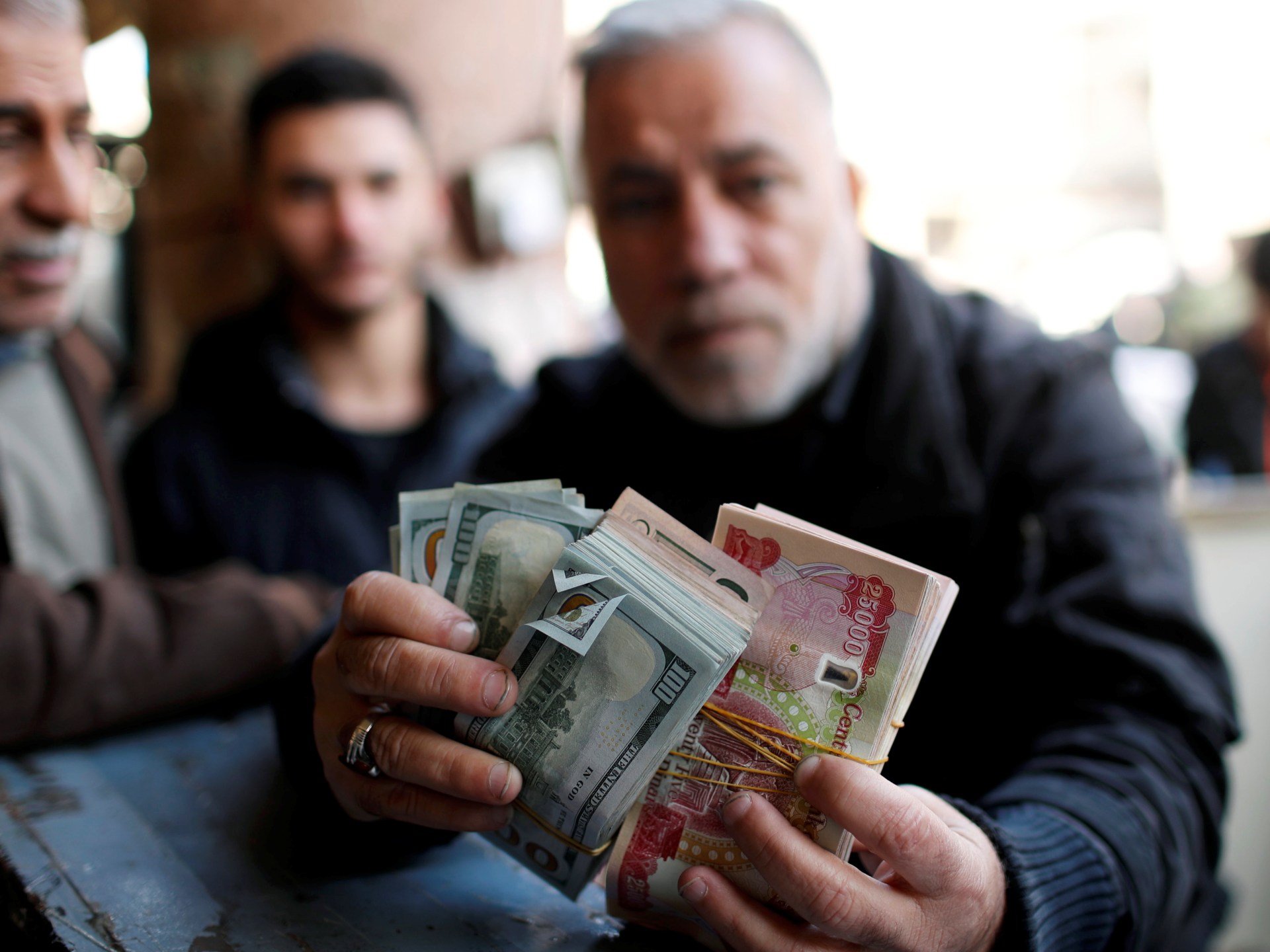
Iraq’s financial crisis has reached a critical juncture, with government officials now openly acknowledging severe budgetary constraints. Health Minister Abdul Hussein al-Musawi’s recent candid statement about the absence of available funds has heightened concerns among Iraqi citizens about the stability of their nation’s economy. The minister disclosed that meeting monthly state obligations requires approximately $8.24 billion, a figure the government struggles to secure consistently.
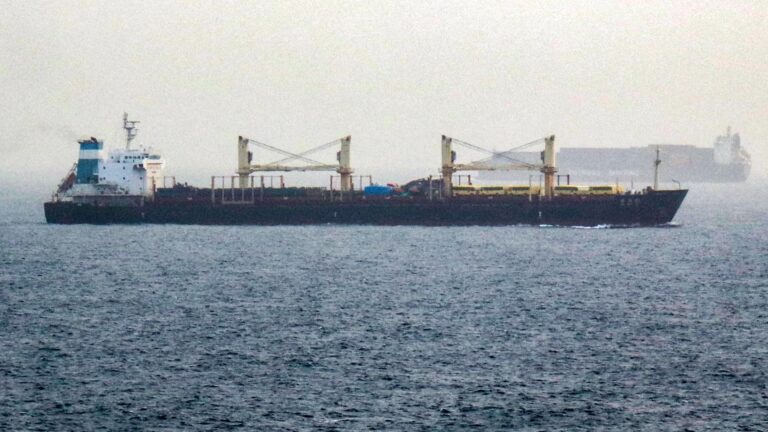
The underlying challenge stems from Iraq’s heavy dependence on oil revenues, which have deteriorated sharply following export disruptions through the Strait of Hormuz. Government sources indicate that monthly revenues have fallen below $2.3 billion, creating a substantial gap between incoming funds and necessary expenditures. The salary crisis has directly affected ordinary workers and pensioners, who face delayed payments and mounting financial pressures. Government employees report struggling to meet basic family needs and fulfill existing financial obligations as disbursements become increasingly irregular.
The economic deterioration has exposed the vulnerability of Iraq’s single-resource economy and derailed governmental plans to diversify revenue streams. Proposed initiatives involving the private sector and international partnerships have stalled, while alternative export routes through neighboring countries remain blocked by longstanding political tensions. Facing this unprecedented test, officials have suggested that domestic and external borrowing may become necessary if current conditions persist, while simultaneously preparing austerity measures aimed at rationalizing government spending across various sectors.
“`
Originally reported by Aljazeera →
About the Author