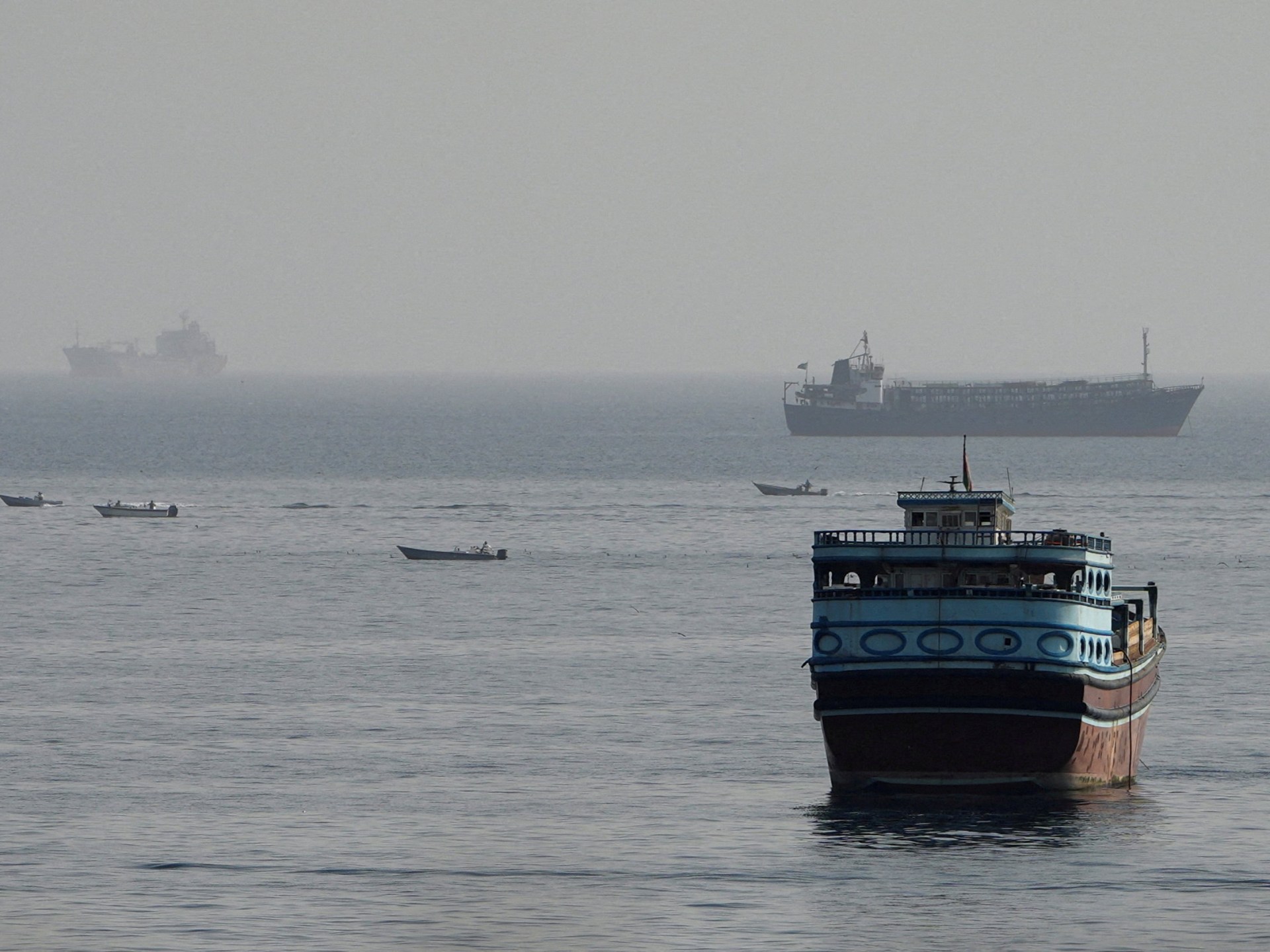
Major shipping organizations from across the globe have united in opposition to proposed toll charges for vessels transiting the Strait of Hormuz. Eight prominent maritime associations submitted a formal letter to United Nations leadership this week, arguing that implementing transit fees would undermine established international maritime law and damage economies worldwide.
The coalition contends that charging ships to pass through the strategically vital waterway would represent a troubling break from customary practice and could trigger a domino effect, encouraging similar toll schemes at other critical ocean passages. They warn that such measures would increase energy costs and fuel inflation, ultimately affecting ordinary people and their ability to afford goods and services globally.
The appeal comes as reports suggest Iran and Oman are finalizing an agreement to manage the waterway. This development follows Iran’s establishment of a maritime fee system earlier this year, which emerged amid regional hostilities. The strait remains crucial to world trade, with significant volumes of oil and natural gas flowing through it daily, making its operations a concern for economies far beyond the Middle East.
International maritime officials have previously cautioned that tolls in the strait would violate international law. Experts note that Asian nations, which depend heavily on Gulf energy imports, would be particularly vulnerable to the economic consequences of any permanent toll structure being implemented.
Originally reported by Aljazeera →
About the Author