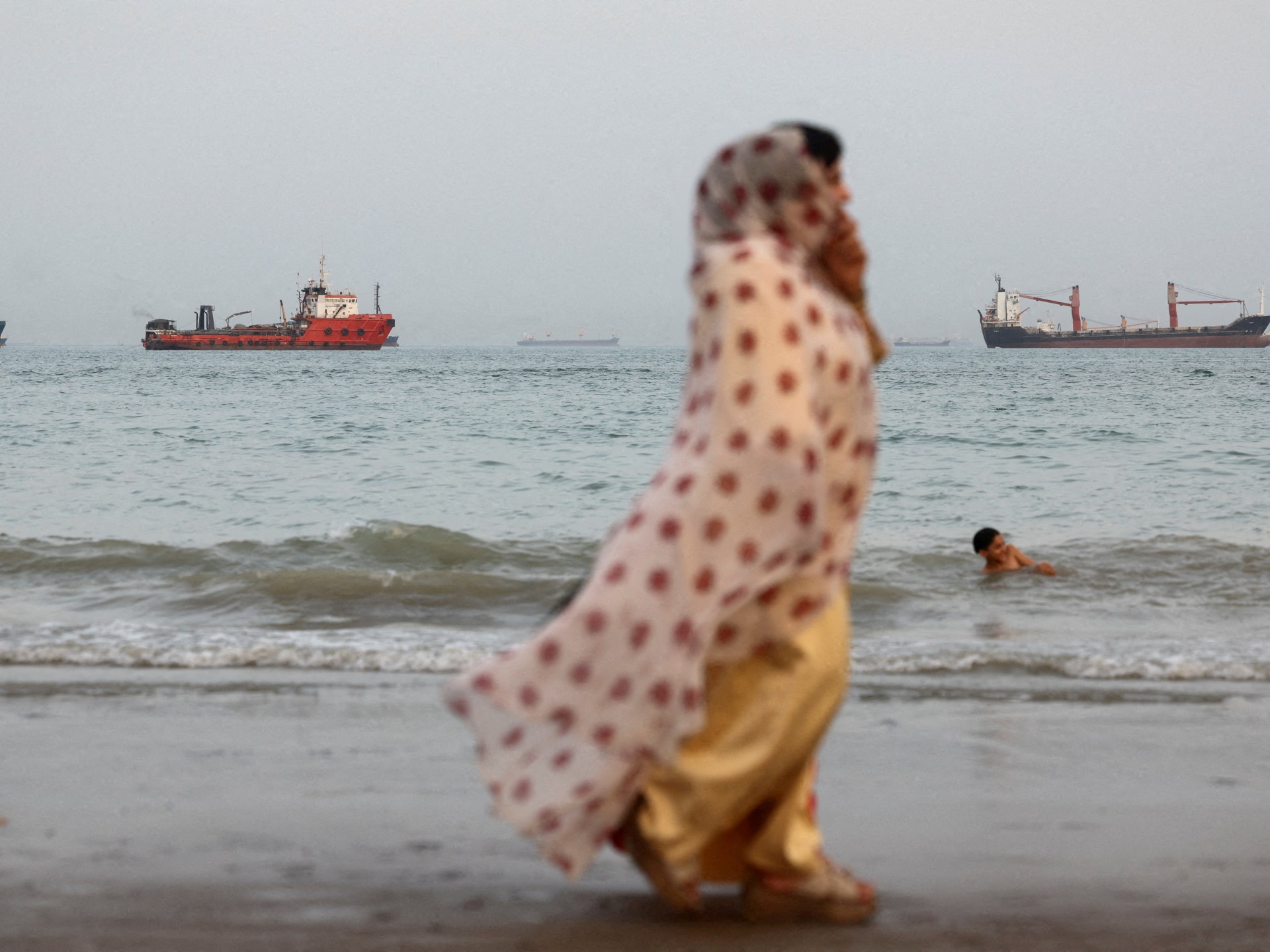
Residents of Bandar Abbas continue to endure repeated military strikes despite official announcements of a ceasefire in the southern Iranian port city. According to accounts from those living through the violence, attacks have targeted critical infrastructure including the country’s largest commercial port and the city’s airport, with strikes occurring simultaneously in July. The situation contrasts sharply with media characterizations of the incidents as isolated events, with residents describing conditions as a full-scale conflict.
Parisa, a 44-year-old single mother living in the city, describes the profound psychological toll of ongoing violence. Her primary concern centers on her 23-year-old son, who works at sea and faces potential danger from strikes that have historically targeted fishing and commercial vessels. The uncertainty of daily life has created persistent anxiety, with residents reacting to ordinary sounds as potential attacks after months of bombardment.
The human cost extends beyond immediate physical danger. Parisa witnessed her close friend lose her husband in a missile attack, an experience that fundamentally changed her understanding of resilience and grief. The friend’s young children continue to expect their father’s return, representing the lasting emotional damage inflicted on families. Parisa emphasizes that normalcy will not return to Bandar Abbas, though communities have developed strong solidarity networks that provide mutual support during bombardment nights.
Originally reported by Aljazeera →
About the Author