Gut Bacteria May Reveal How a Western Diet Fuels Colon Cancer
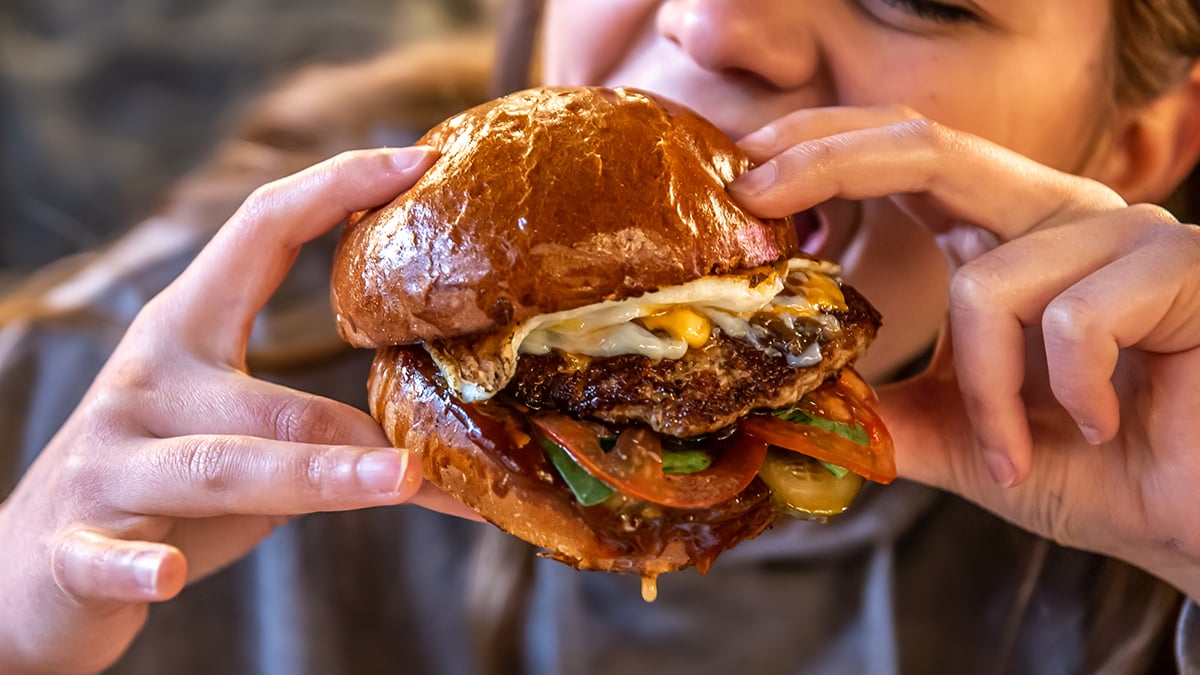 Your diet can change your bile acid.
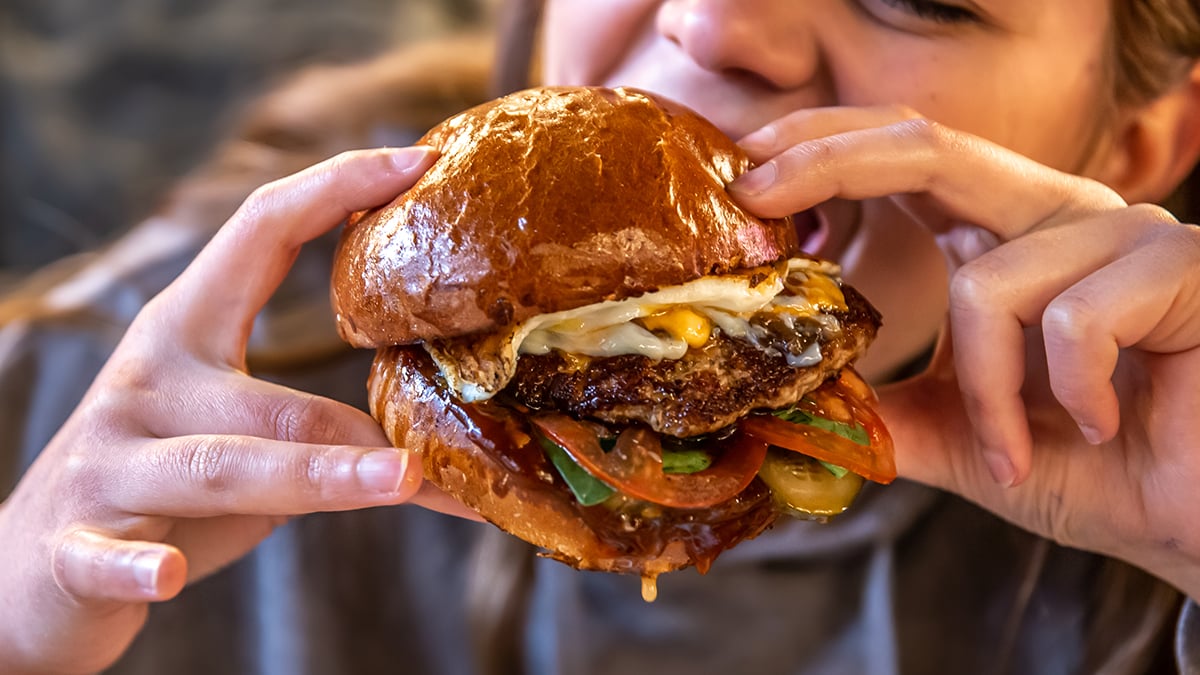
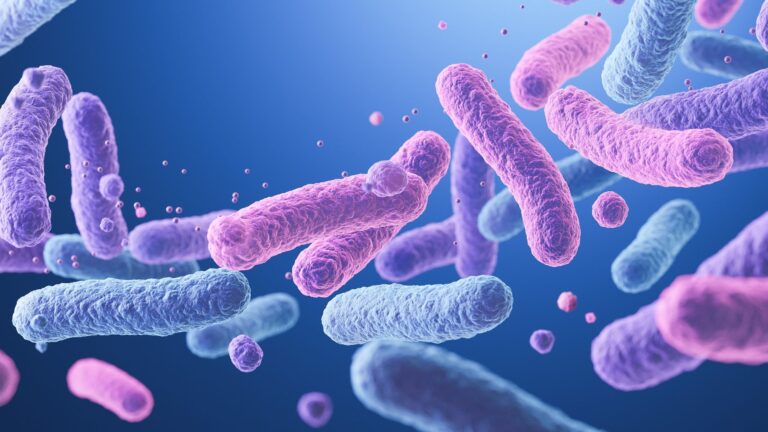
Researchers have identified a potential biological mechanism linking Western dietary patterns to increased colorectal cancer risk. An international study published in the journal Gut suggests that certain gut bacteria, flourishing in response to high-fat, low-fiber diets, may produce a compound that promotes tumor development in the colon.
The investigation centered on deoxycholic acid (DCA), a substance generated when specific gut bacteria chemically alter bile acids produced by the liver. Scientists used genetically modified pigs and mice, along with laboratory-grown human colon tissue, to demonstrate that DCA stimulates abnormal cell growth in the colon. When pigs consumed a Western-style diet, intestinal tumor development accelerated alongside elevated DCA levels. Conversely, when researchers removed bile acids from the digestive system using a drug treatment, excessive cell proliferation in the colon decreased substantially.
Analysis of bacterial DNA from thousands of human participants revealed that genes responsible for DCA production were more prevalent among individuals with colorectal cancer compared to healthy controls. The findings suggest a chain reaction: high-fat diets alter the composition of gut bacteria, enabling specific microbes to convert bile acids into DCA, which subsequently triggers cellular changes that may facilitate tumor growth.
However, experts caution that human studies were observational only, establishing association rather than causation. Researchers emphasized that clinical trials would be necessary before bile acid-targeting medications or microbiome-based treatments could be implemented for cancer prevention.
Originally reported by Sciencealert →
About the Author