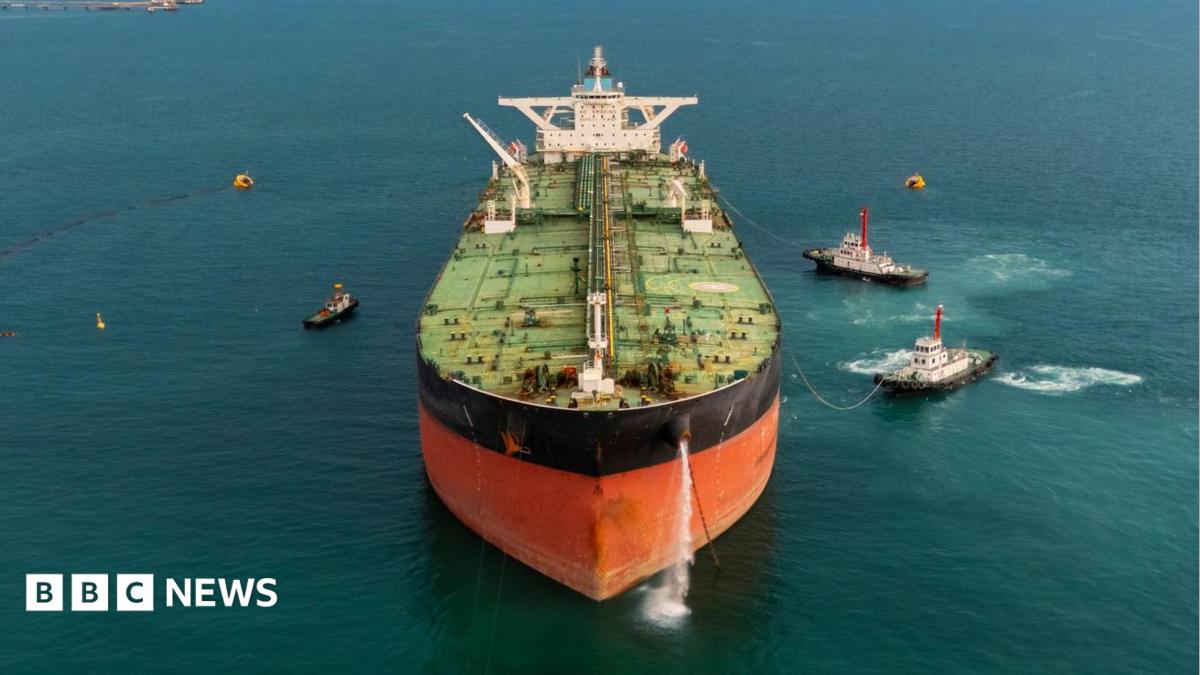
Security threats facing oil tankers in the Middle East have reached their highest levels since the beginning of the Iran conflict, according to shipping industry analysts. The escalating dangers stem from multiple factors, including Iran’s blockade of the Strait of Hormuz and recent militant attacks on alternative maritime routes that vessels have been using to circumvent the restricted waterway.
The situation has become increasingly dire for commercial shipping operations. Prior to the conflict, over 100 vessels passed through the Strait of Hormuz daily, but recent figures show this number has plummeted to single digits. Additionally, attacks by Houthi fighters on cargo ships in the Red Sea—an alternative route that had been helping to stabilize oil supplies—have created a compounded crisis. Many vessel operators have resorted to disabling tracking systems to avoid detection while navigating these dangerous waters.
Industry representatives describe the current environment as unprecedented in its complexity and risk. Experts note that even if diplomatic negotiations successfully reopen shipping lanes, restoring normal cargo flows could require several months due to widespread service suspensions and vessel reallocations. Meanwhile, discussions between Iran and Oman regarding the Strait of Hormuz have shown little sign of producing immediate solutions.
About the Author