The European Union has implemented new transparency requirements designed to help users identify artificial intelligence systems and synthetic content online. Starting August 2nd, these regulations under the EU’s AI Act mandate that organizations disclose when individuals are engaging with AI-powered tools and clearly mark any content that has been artificially generated or manipulated. The rules aim to combat confusion between human and machine-created material in the digital landscape.
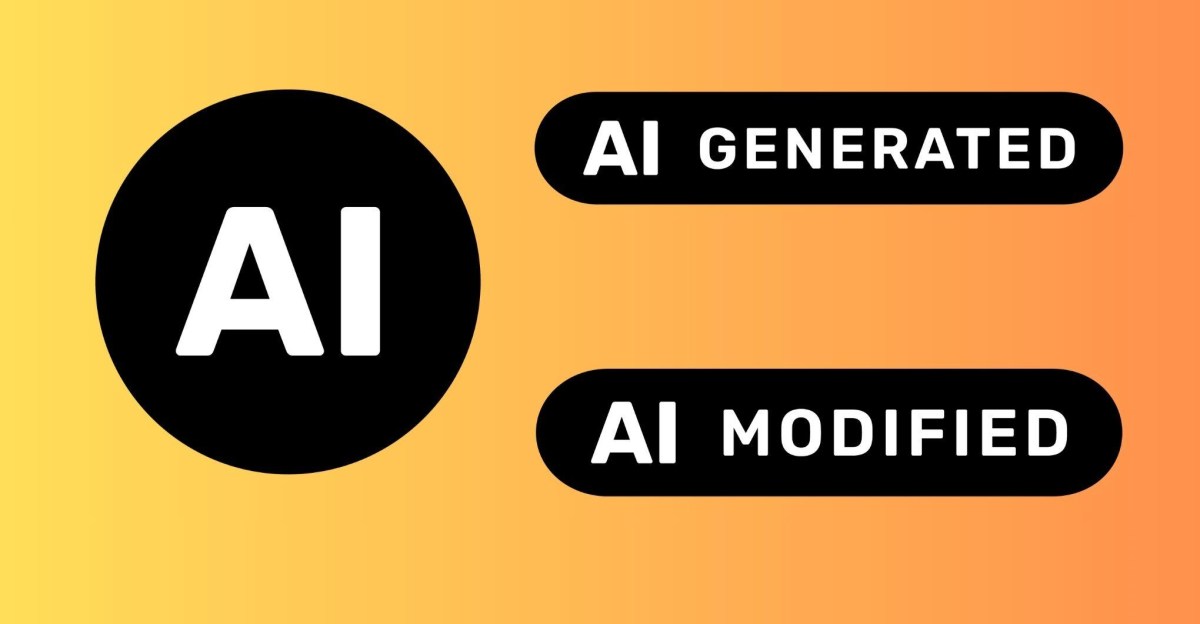
The requirements apply differently depending on a company’s role. Organizations developing and distributing AI systems must ensure users receive explicit notifications when interacting with artificial intelligence, while platforms utilizing these systems must label any AI-generated or doctored audio, images, and video content. Some major tech companies operate in both capacities. The European Commission has provided standardized disclosure labels that platforms may use, mirroring similar symbols already adopted by major social networks, though compliance with labeling standards remains mandatory regardless of whether companies choose these specific icons.
Enforcement carries significant consequences. Organizations failing to meet these transparency obligations face potential penalties reaching €15 million or three percent of global annual revenue. While newly launched AI systems must comply immediately, existing services deployed before August 2nd have until December 2nd to align with the fresh regulations. The Commission emphasized that clear labeling enables users to make informed choices and distinguish trustworthy interactions from potential misinformation.
Originally reported by Theverge →
About the Author